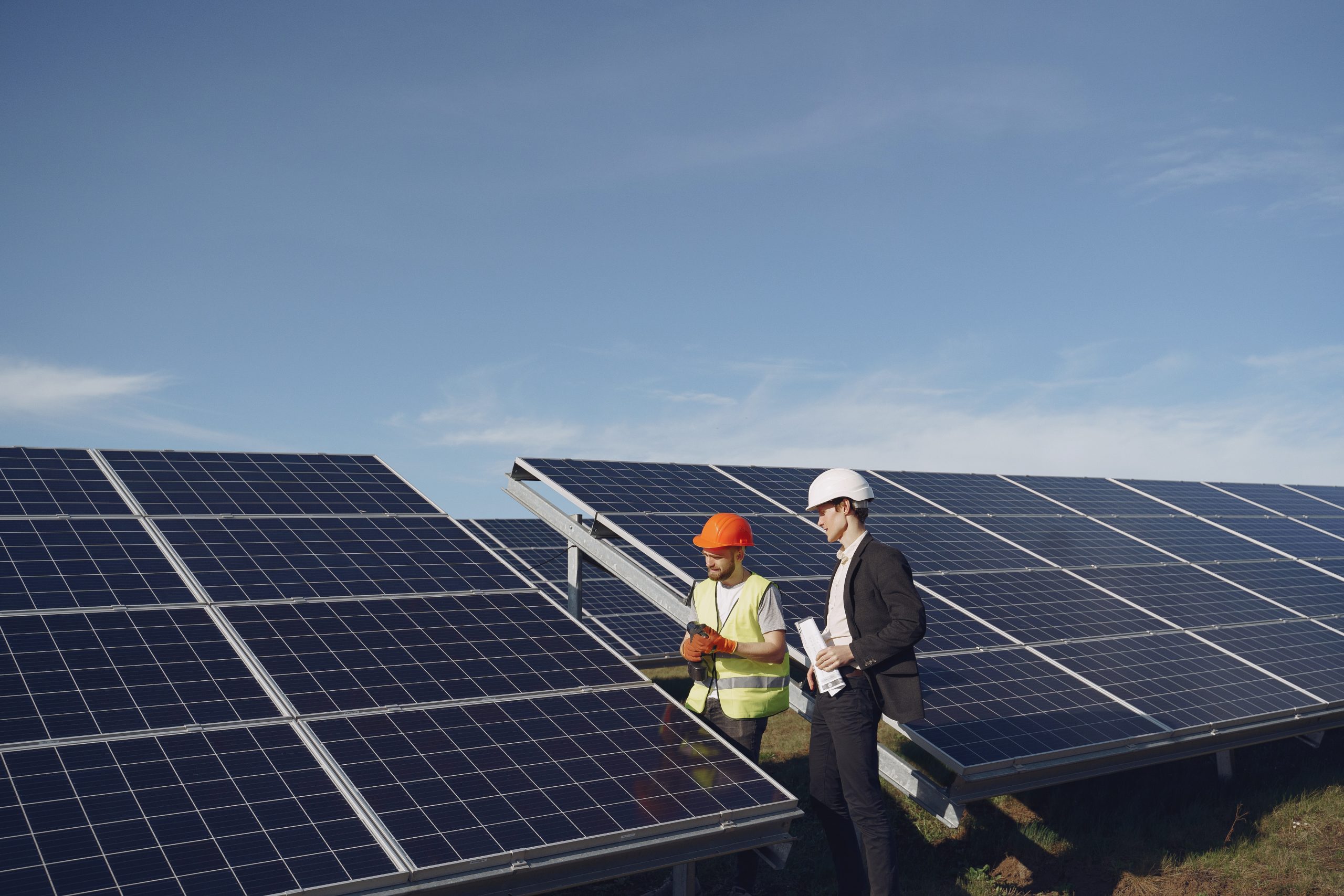
UDEPP supports the implementation of energy efficiency solutions in Ukraine through the development of public incentive mechanisms, practical tools, technical guidelines, and training and capacity-building programmes. The Programme’s activities (projects) contribute to reducing energy consumption, improving resource efficiency, and introducing decarbonisation approaches.
Strengthening of institutional capacity to operate energy efficiency mechanisms, including the practical implementation of the national Decarbonisation Fund.
Amendments to the Budget Code of Ukraine from January 1, 2024, established the State Fund for Decarbonisation and Energy Efficiency Transformation to provide low-interest credits and interest rate support for energy efficiency projects using CO₂ tax revenues. The Decarbonisation Fund of Ukraine, a special financial institution to coordinate and provide funding, was officially launched in August 2024, with the first projects receiving approval that September.
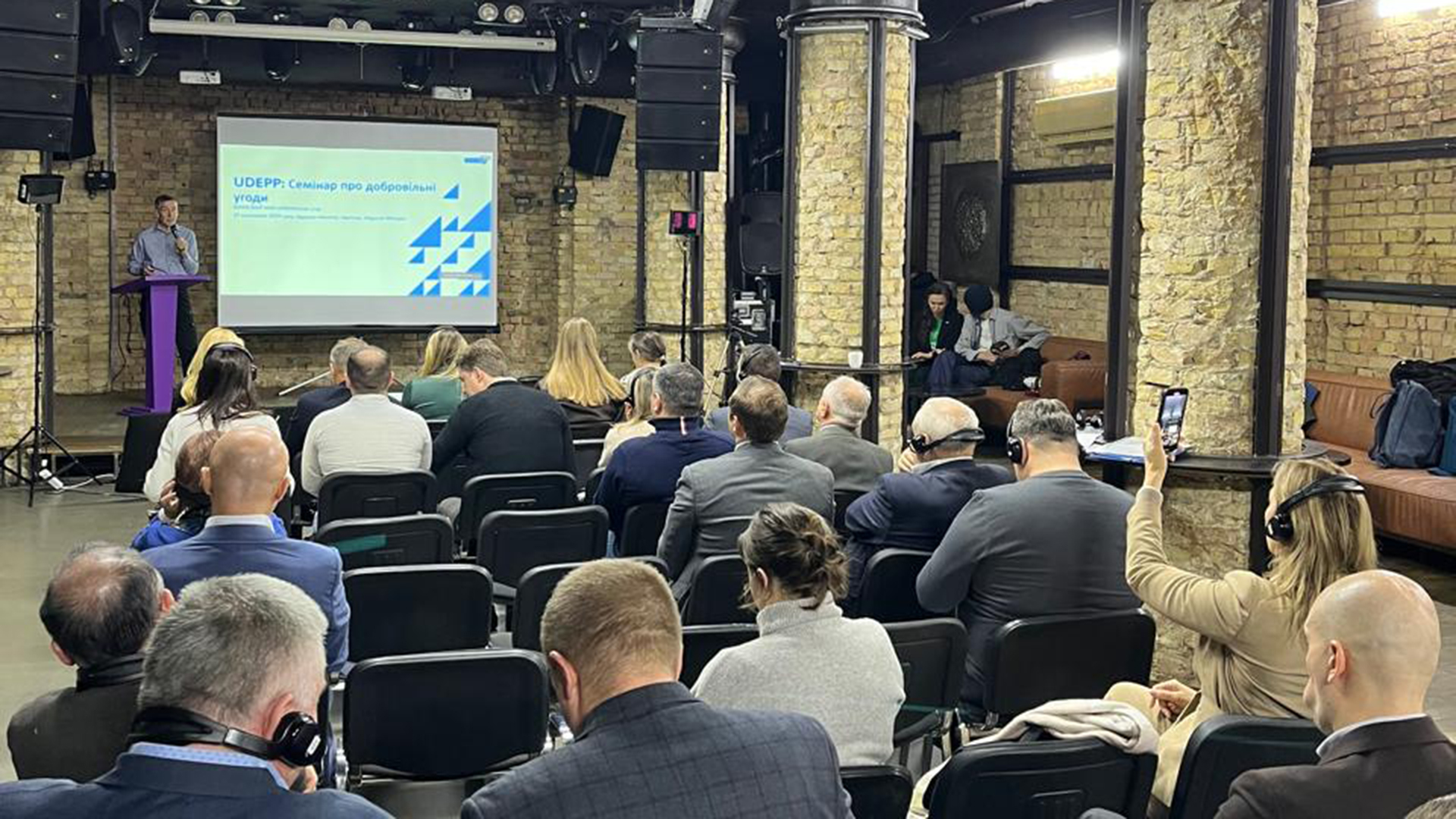
UDEPP provided technical assistance for the administration set-up of the application and reporting mechanism to ensure it is transparent, clearly described, and available for all relevant stakeholders. In addition, a mechanism of Voluntary Agreements was introduced together with SAEE, which requires participating entities to commit to reducing energy consumption and/or CO₂ emissions. As of May 2026, the Fund has shown robust progress, with 76 energy-saving projects already granted financial support for modernisation measures.

One of the key requirements for receiving financial support through the Decarbonisation Fund is signing a Voluntary Agreement (VA). This mechanism is widely implemented across the European Union and encourages businesses to reduce energy consumption and CO₂ emissions in exchange for state support for energy efficiency measures.
Under UDEPP, Denmark supported Ukraine in introducing and operationalising the VA mechanism by sharing practical experience, expertise and supporting the development of relevant templates. This cooperation also resulted in the development of a comprehensive White Paper describing the policy and financial framework of the mechanism, the operation of the Decarbonisation Fund, and the practical steps businesses need to take to apply for state support for energy efficiency projects.
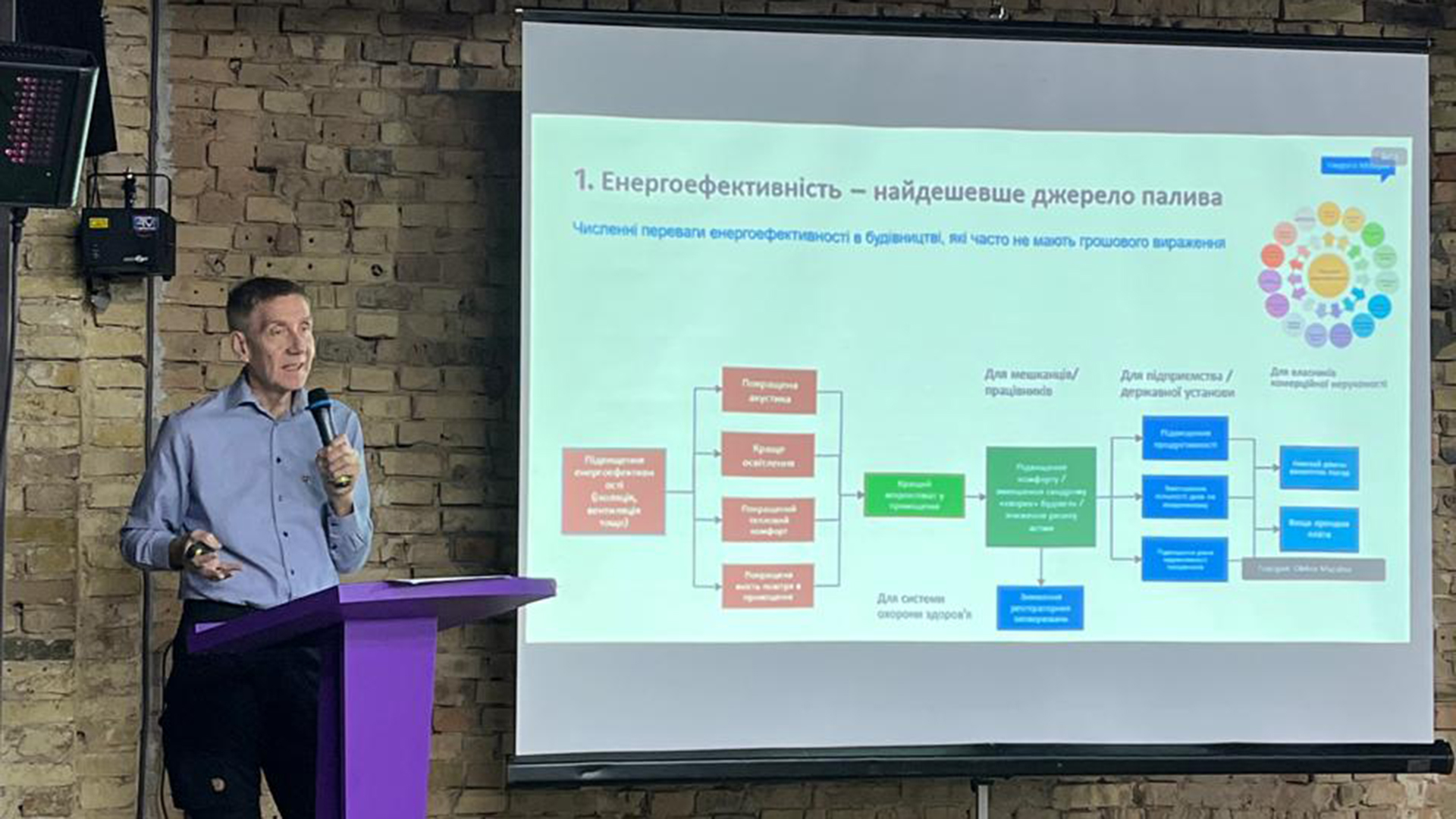
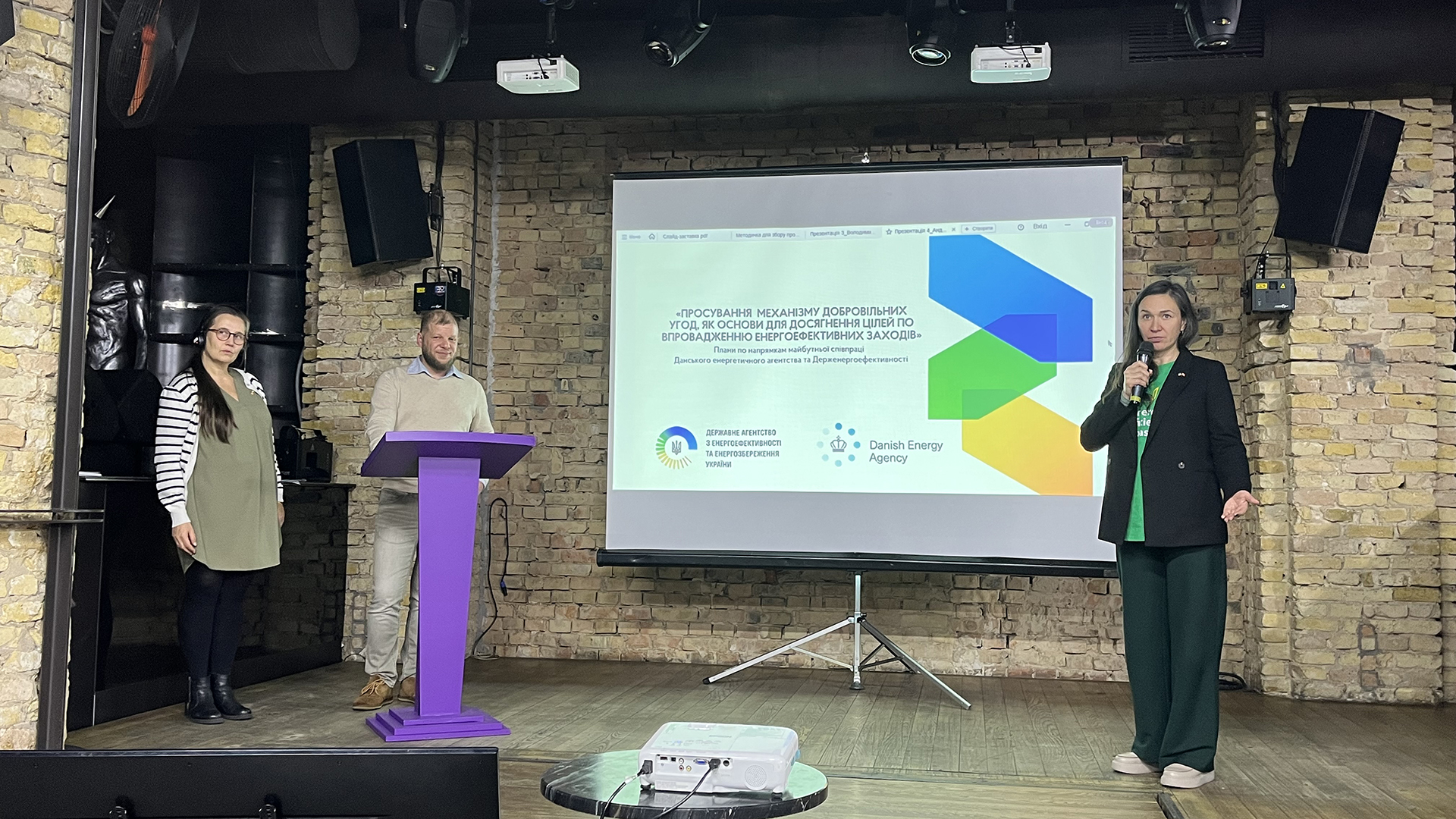
To ensure transparency in the energy savings achieved, UDEPP initiated the creation of a specialised Monitoring, Reporting and Verification (MRV) system. The programme has already finalised the first stage of this work, focusing on documenting and describing the official workflows and regulations for the VA mechanism.
In 2026, the focus has shifted toward digitalisation of these processes through the development of an integrated IT platform, replacing manual data entry with a digital system to verify actual energy savings and emission reductions.
Development of technical guidelines to help stakeholders determine and evaluate energy-saving opportunities in the industrial and utility sectors.
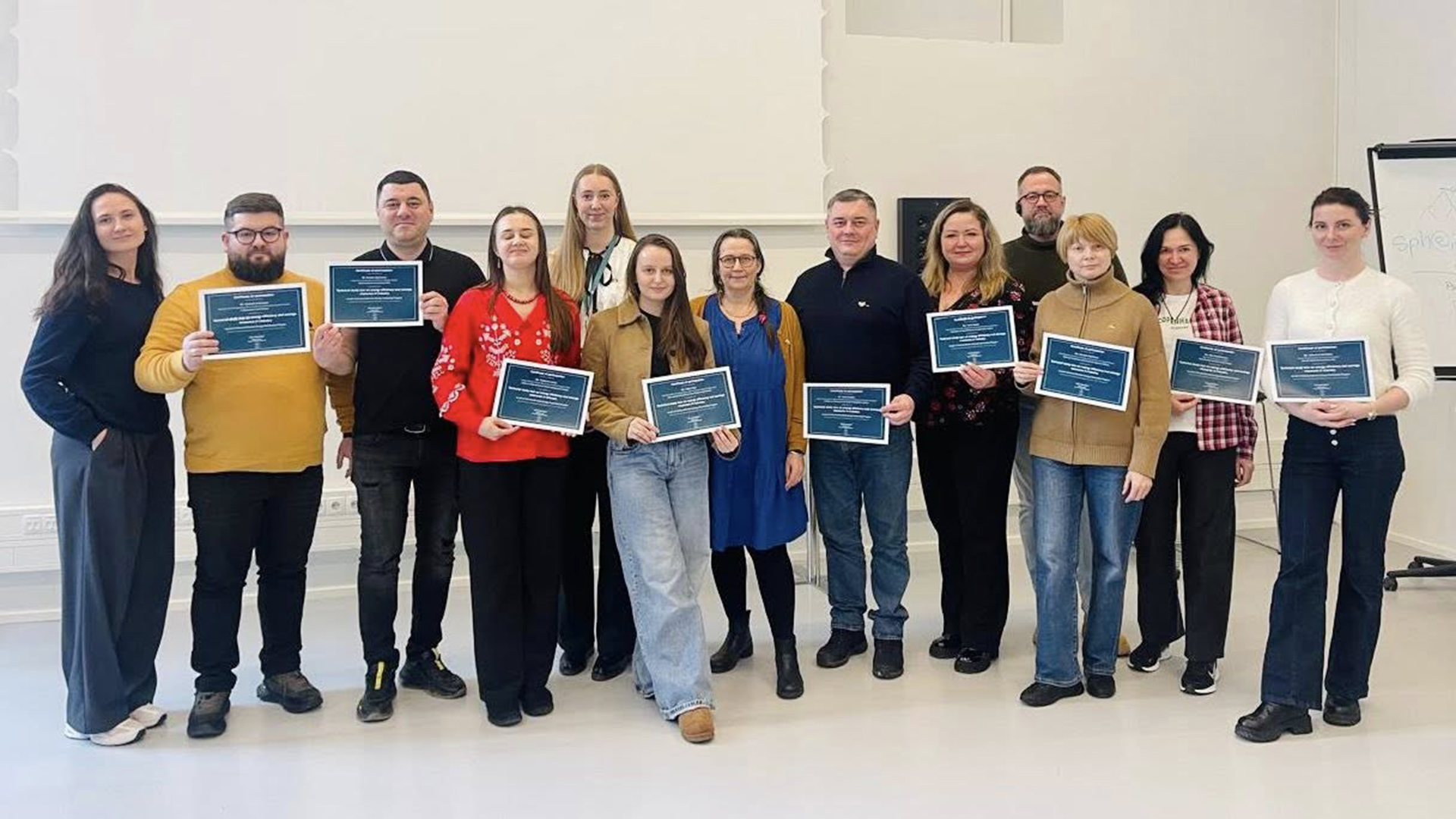
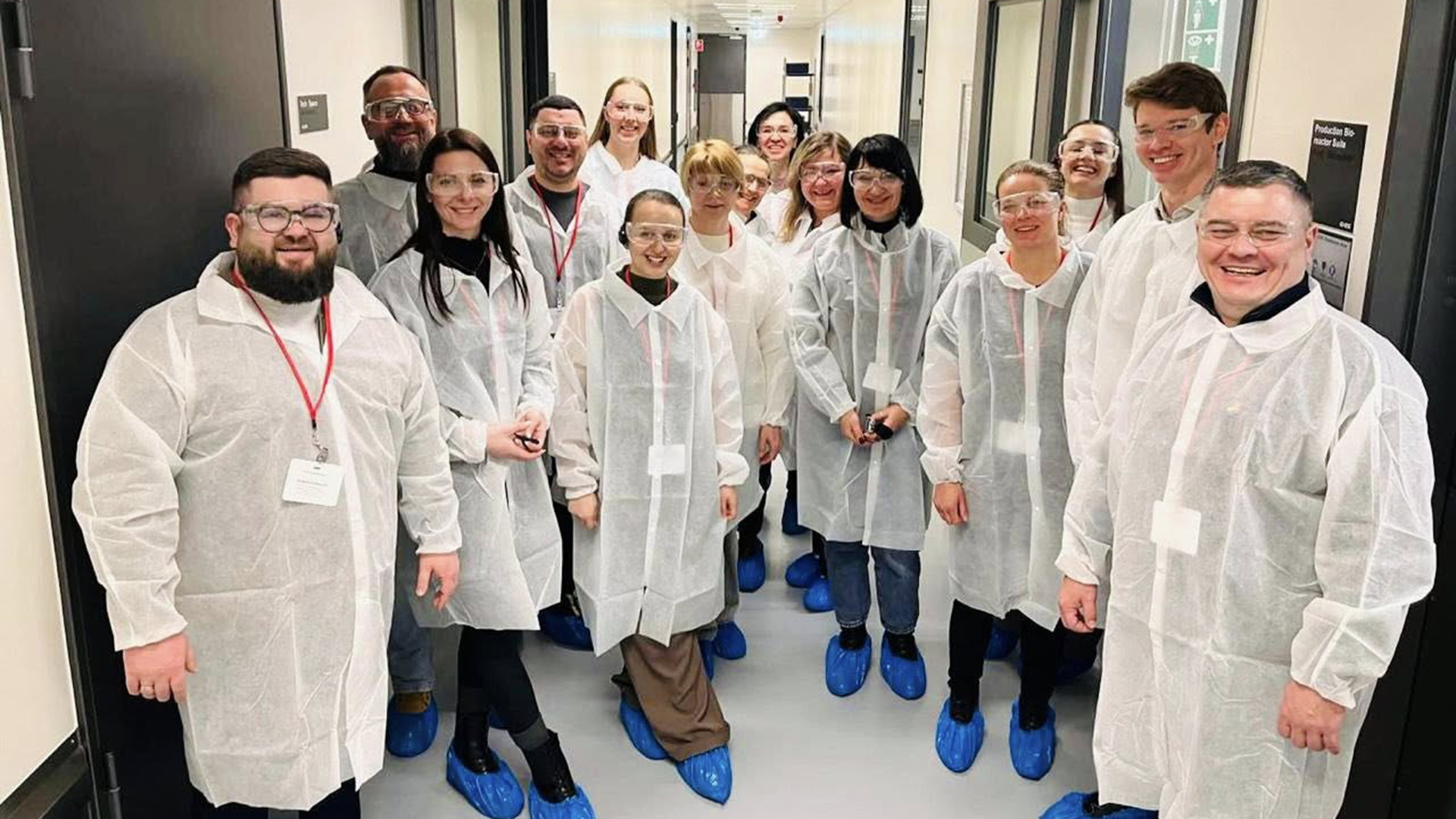
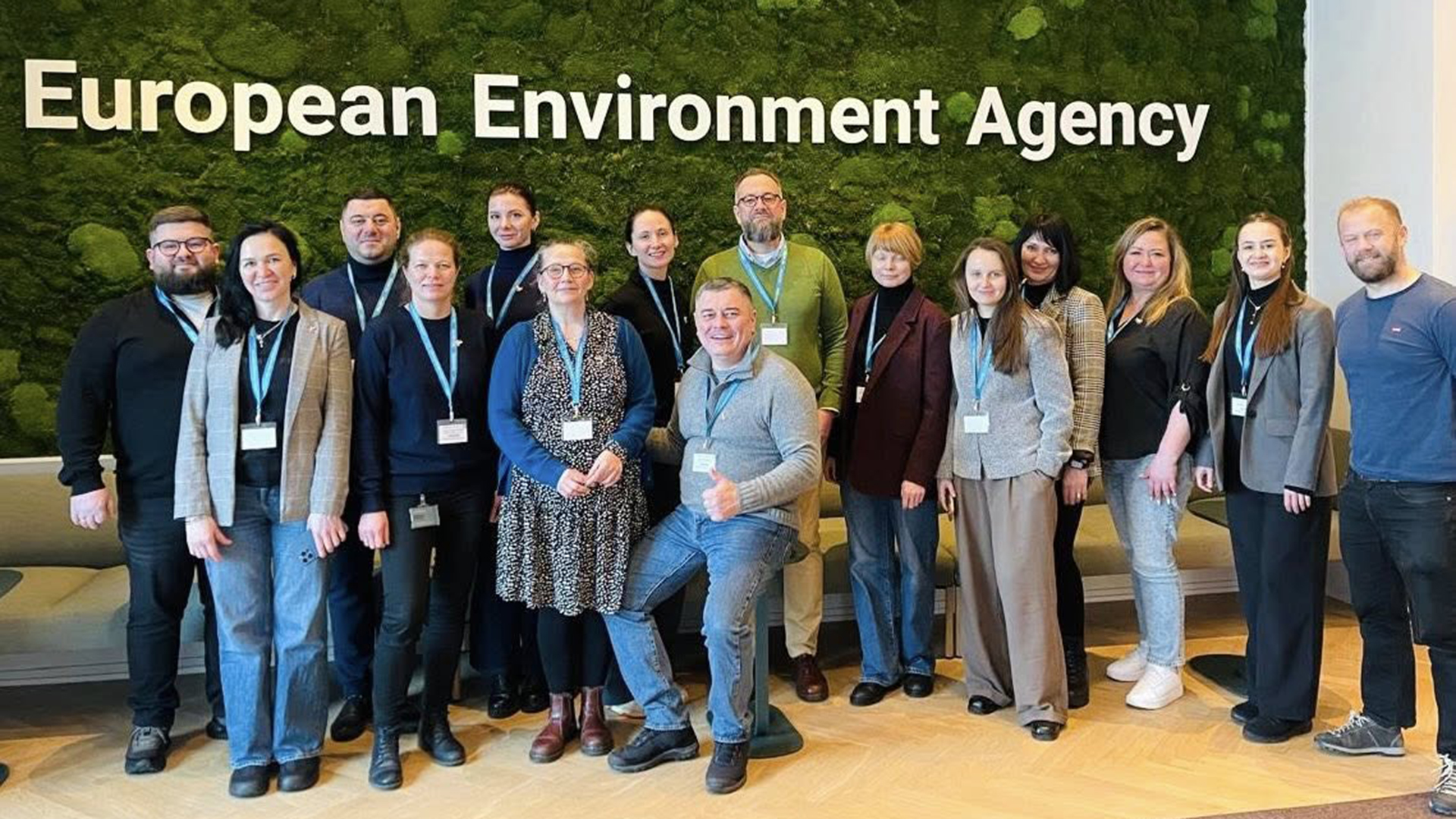
From 23 to 27 February 2026, a delegation of nine representatives from the Ministry for Communities and Territories Development of Ukraine, the State Agency on Energy Efficiency and Energy Saving, the Decarbonisation Fund of Ukraine, and the Mykolaiv Regional Decarbonisation Office participated in a specialised study tour to Copenhagen.
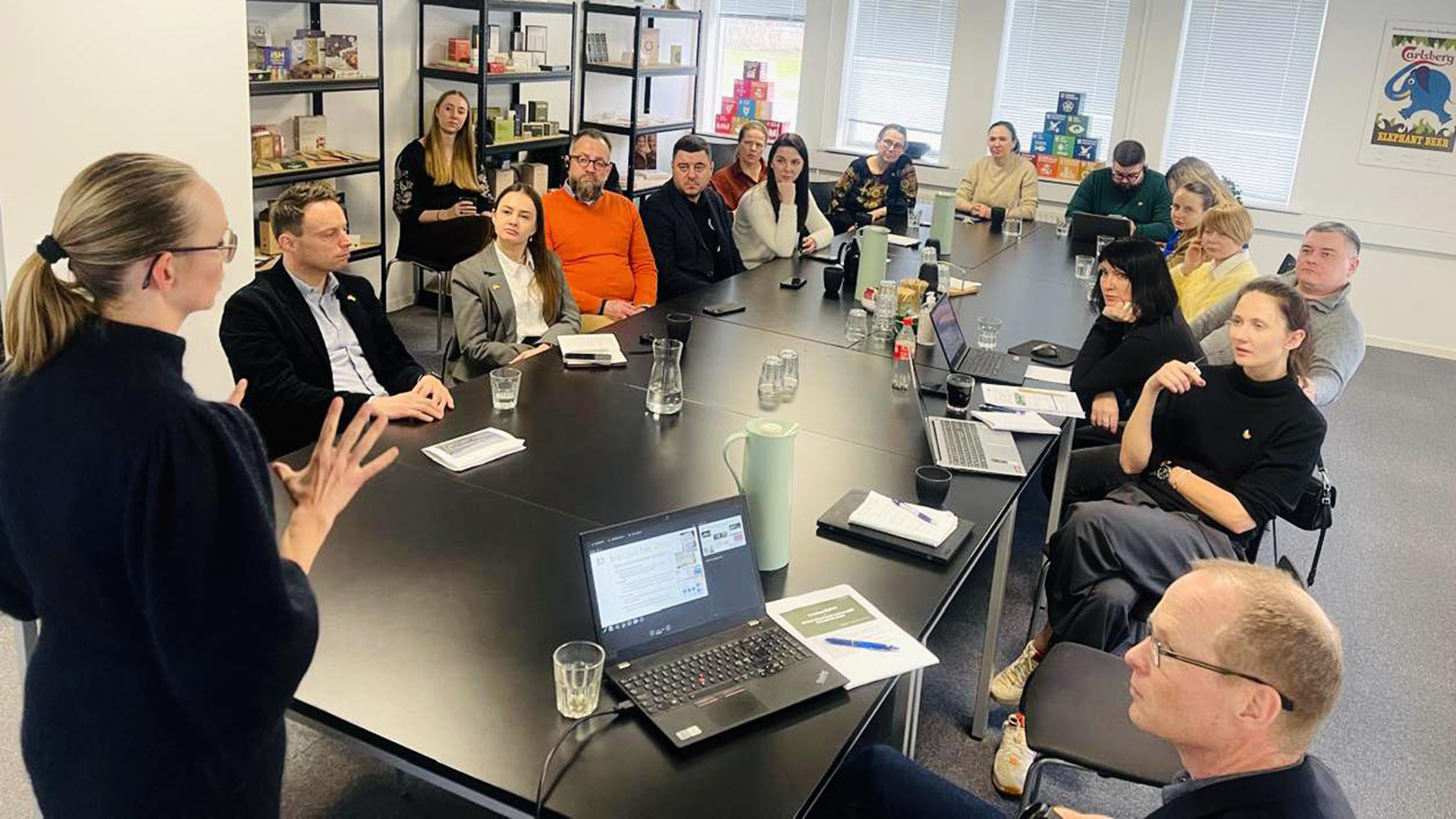
The delegation visited Danish industrial enterprises, biogas plants, and district heating facilities to observe practical applications of energy management and fuel substitution. In addition to site visits, the participants attended technical presentations on both Danish and EU energy efficiency regulations and met with representatives from Danish municipalities and NGOs to exchange experience on local-level “green” initiatives.
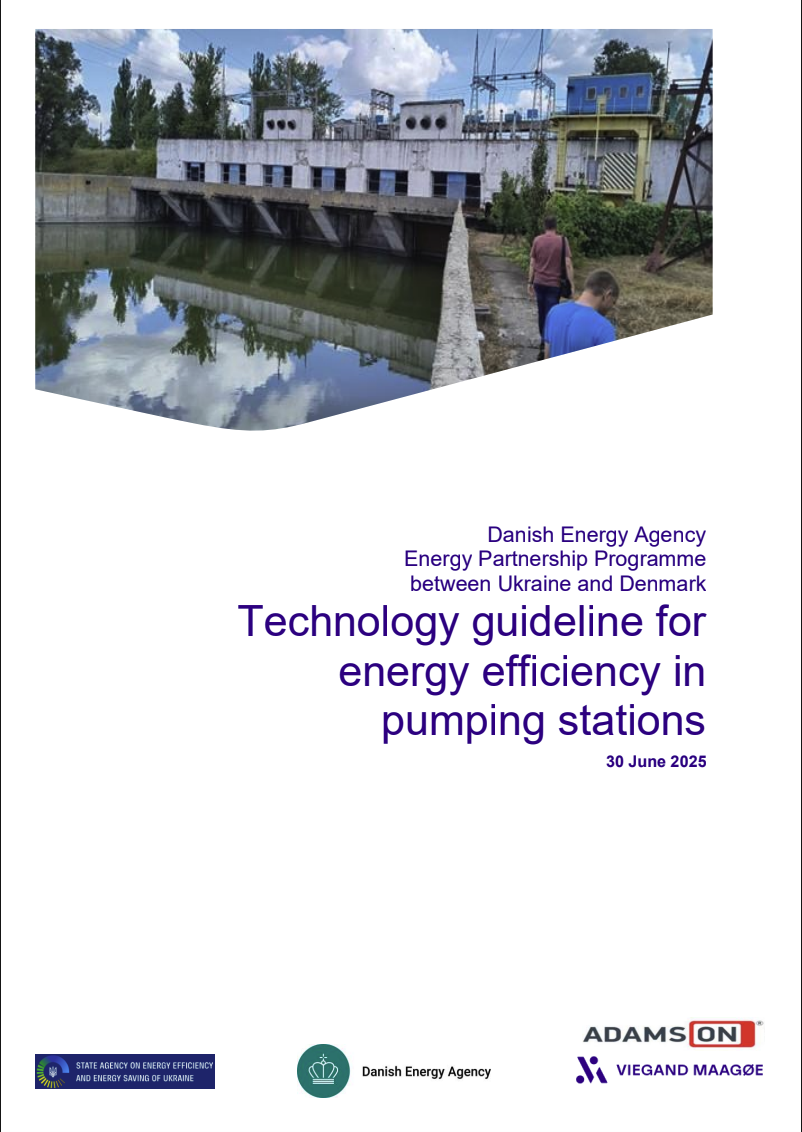
In response to the energy crisis, UDEPP completed specialised technical guidelines for water pumping stations and an energy audit of the trolleybus transport sector by June 2025. The guidelines provide energy managers with standardised technical and economic data to implement immediate efficiency improvements. The findings were presented to the Agency of Water Resources of Ukraine to support their potential energy saving measures.
Technical guidelines for energy efficiency in water pumping stations
UDEPP supported the Ministry of Energy by engaging a local consultant to develop a comprehensive methodology for assessing energy efficiency potential across Ukraine’s electricity and gas networks. Designed to support infrastructure modernization in line with the EU Energy Efficiency Directive, the document became the basis for a draft ministerial order published in December 2024. In October 2025, the methodology was officially approved by the Ministry of Energy of Ukraine, establishing a regulatory framework for assessing energy efficiency potential in electricity and gas transmission and distribution systems.
The Methodology approved by the Order of the Ministry of Energy of Ukraine
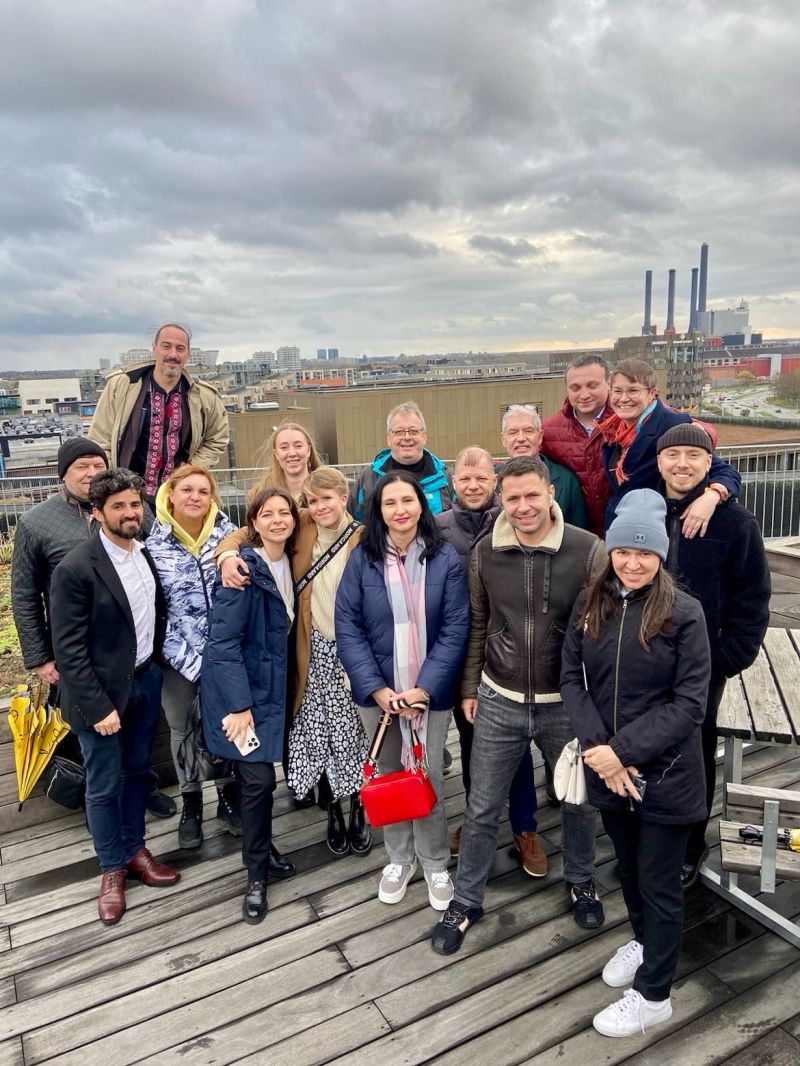
In November 2023, a delegation from the Ministry for Development of Communities and Territories of Ukraine (MinDev) and the State Agency on Energy Efficiency and Energy Saving (SAEE) participated in a study tour to Copenhagen. The purpose of the visit was to showcase sustainable and efficient Danish solutions within energy efficiency and district heating, and clarify how this experience can be transferred to a Ukrainian context.
The delegation participated in workshops on voluntary agreements, energy efficiency obligation schemes and district heating legislation improvements to exchange knowledge and tools for implementing concrete energy efficiency incentives and requirements, as well as harmonizing Ukrainian legislation with the European acquis. Site visits to leading industrial companies such as ARC and CopenHill (a waste-to-energy and biomass CHP facility), VEKS, CP Kelco and Thermal Heat pit storage in Høje Taastrup, focused on practical applications of heat recovery and electrification, while visits to the State of Green, Confederation of Danish Industry and Kalundborg Symbiosis illustrated the benefits of the circular economy and industrial cooperation.
Supporting the renovation of public buildings and the modernisation of building certification systems to meet the EU requirements for energy efficiency in public buildings.
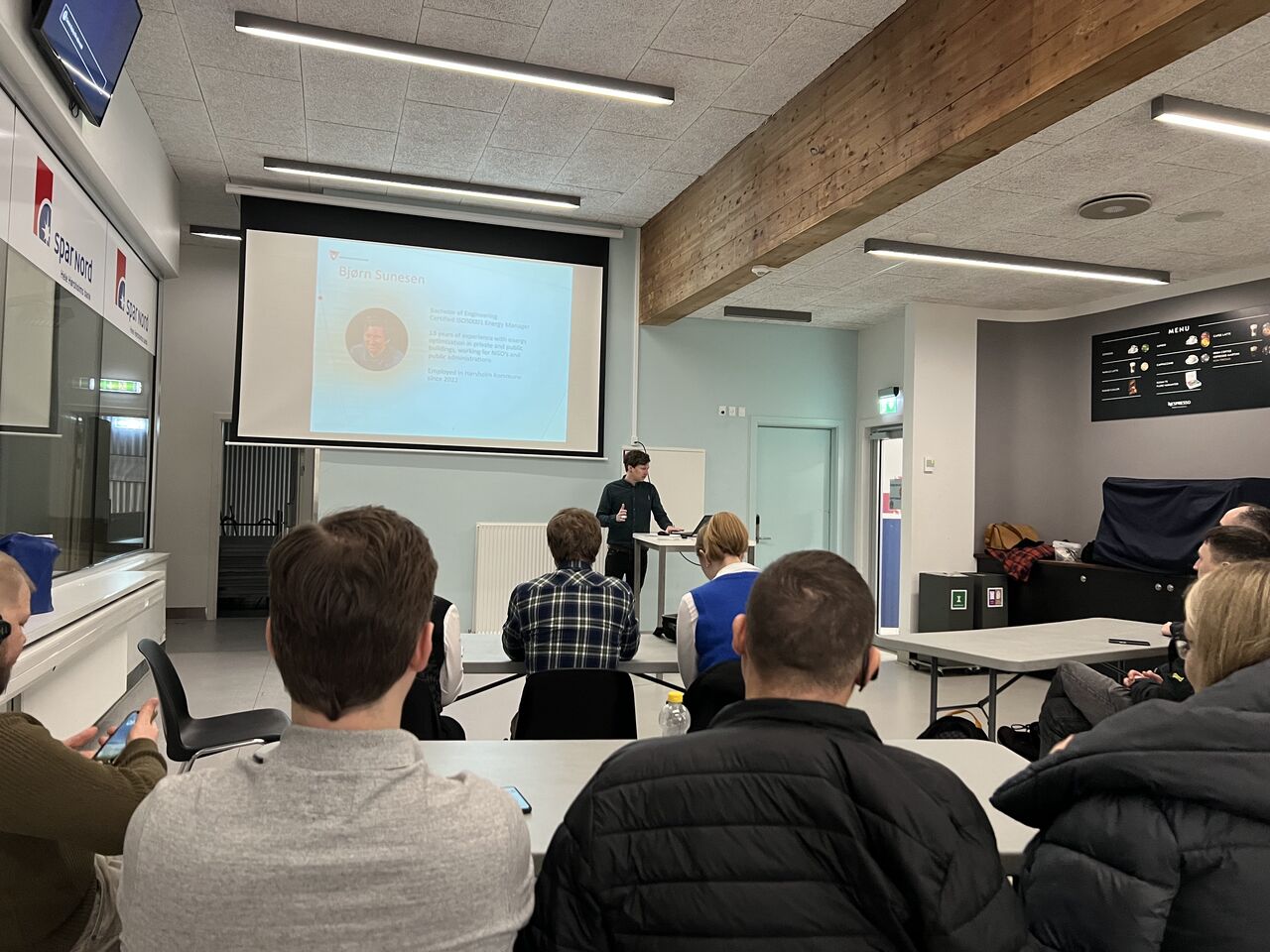
From February 3 to 7, 2025, a delegation representing the Ministry of Energy (MoE), the Ministry for Development of Communities and Territories of Ukraine (MinDev), the State Agency on Energy Efficiency and Energy Saving (SAEE), the Decarbonisation Fund of Ukraine (FDU), and the Energy Efficiency Fund participated in a study tour to Copenhagen. The purpose of the visit was to build capacity in energy efficiency and savings measures in buildings and to share the Danish experience.
The programme offered a combination of technical presentations and site visits, including tours of six different building sites. Participants focused on critical topics such as energy management and building energy audits, the renovation of historical structures, and the application of EU regulations for public buildings.
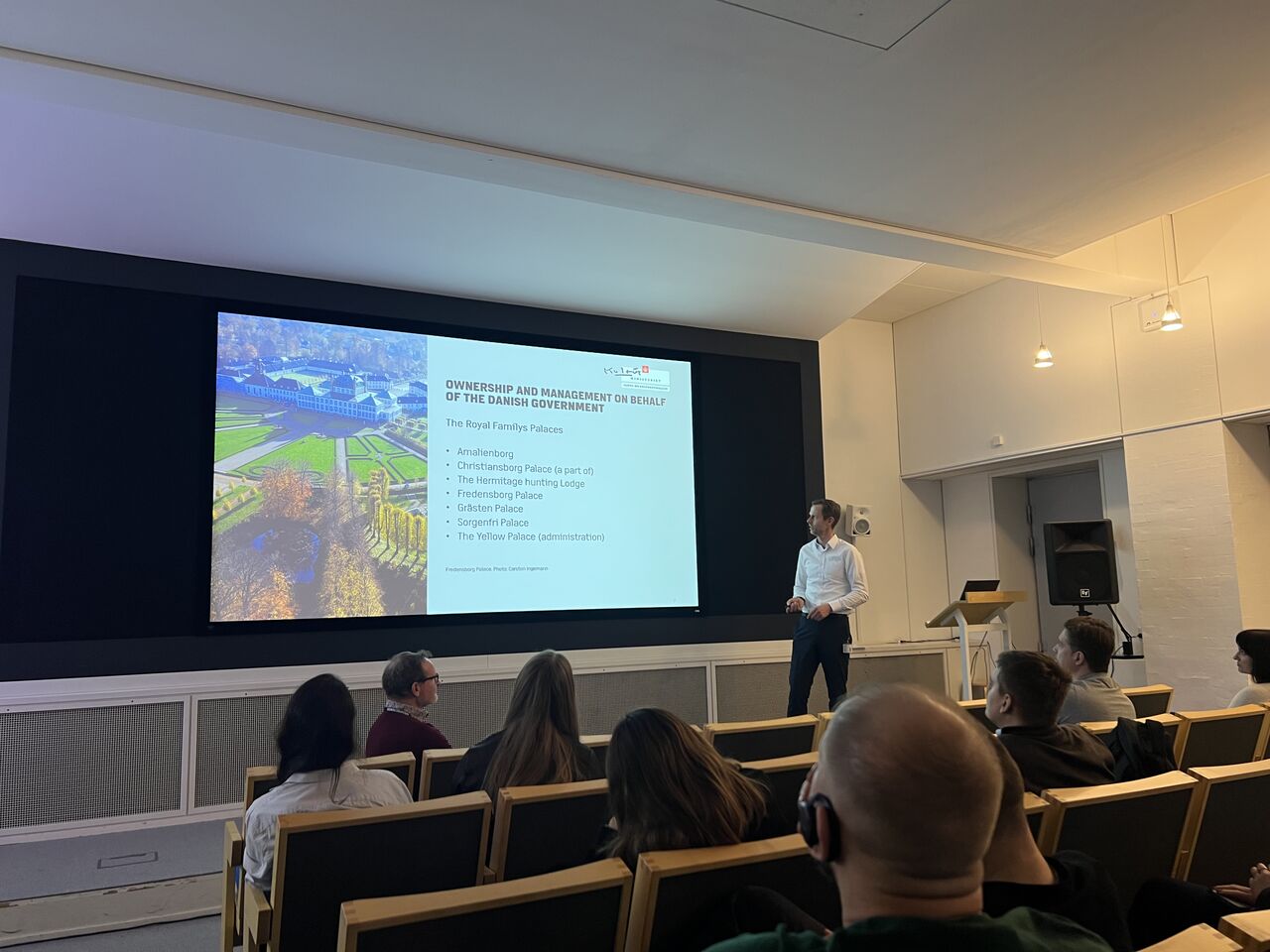
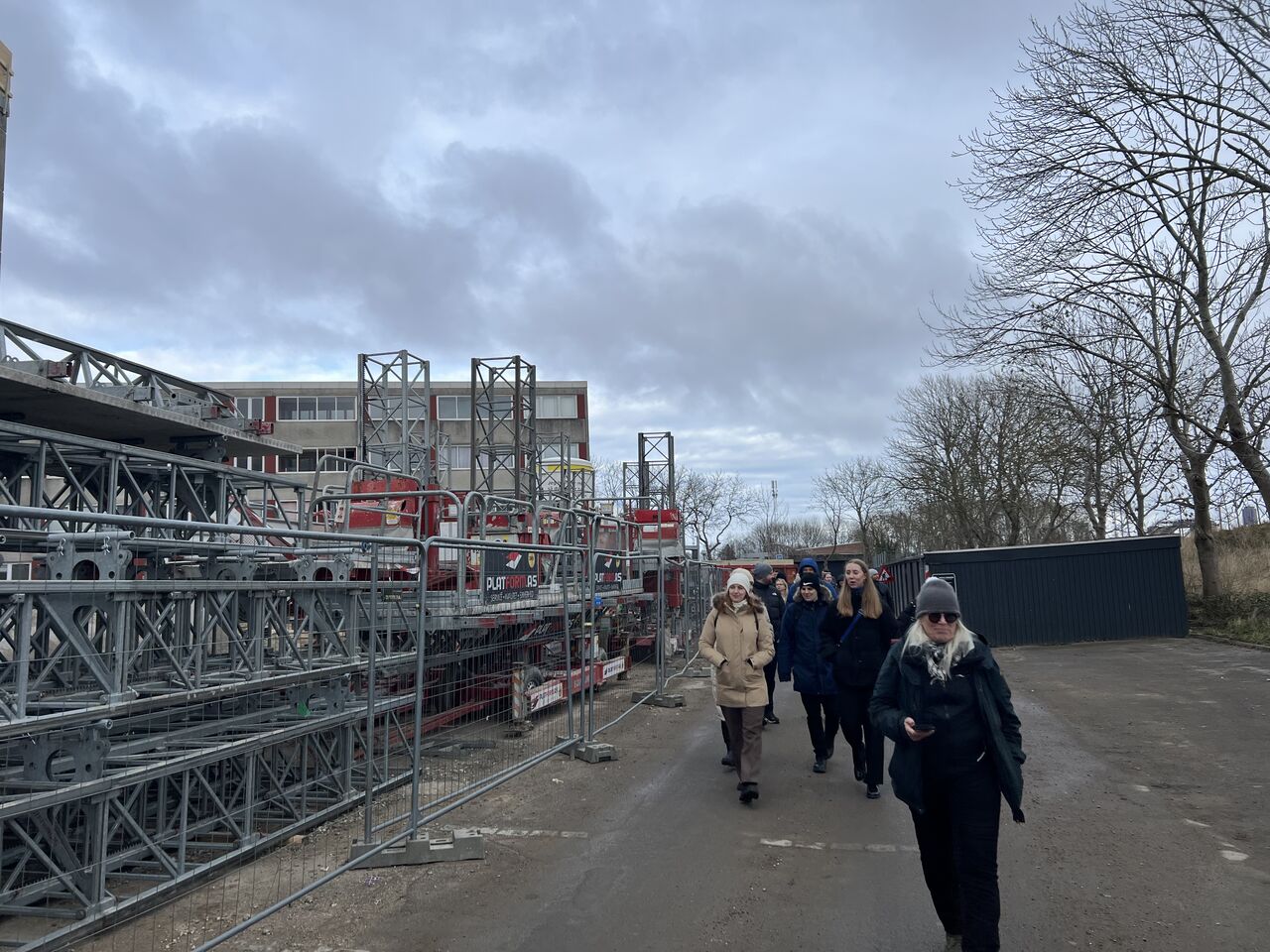
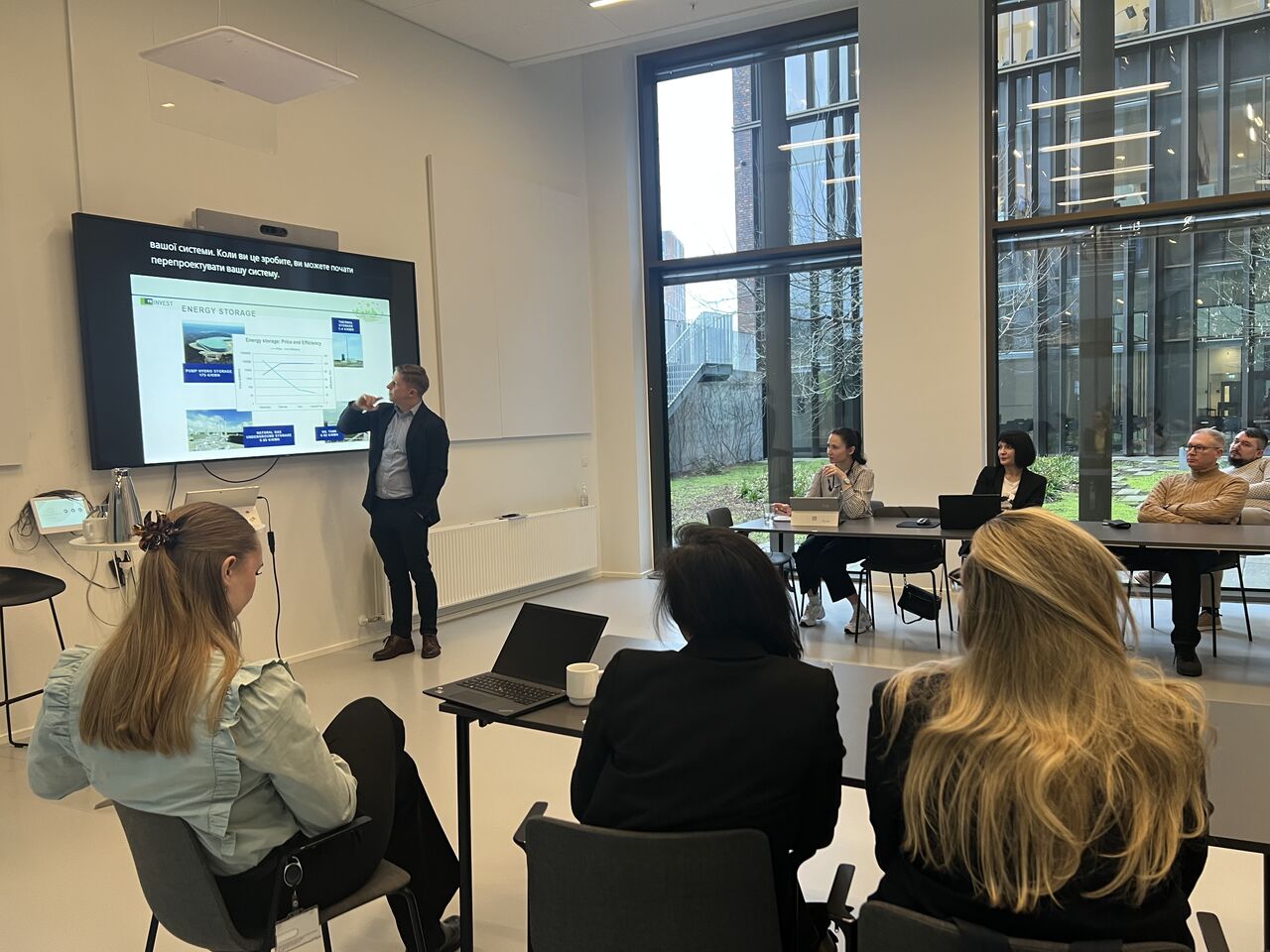
A White Paper was prepared to support Ukraine’s alignment with the key requirements of the updated EU Energy Efficiency Directive (EED) and the Energy Performance of Buildings Directive (EPBD) regarding public building energy performance. Finalised in July 2025, the document provides an overview of both directives, with a particular focus on their implications for the public sector and public buildings. It also outlines practical approaches to implementing building renovation targets, energy performance requirements, and data access protocols in line with EU accession requirements, while accounting for local conditions and existing barriers in Ukraine.
Based on comprehensive energy audits conducted in the administrative buildings of the Ministry of Energy of Ukraine, the State Agency on Energy Efficiency and Energy Saving of Ukraine, and the Ministry for Communities and Territories Development of Ukraine, UDEPP supported the development of an Energy Efficiency Toolkit for Public Buildings.
Released in December 2025, the toolkit was designed to help public institutions improve building energy performance and comply with Ukraine’s 2026 Action Plan on energy efficiency in public buildings.
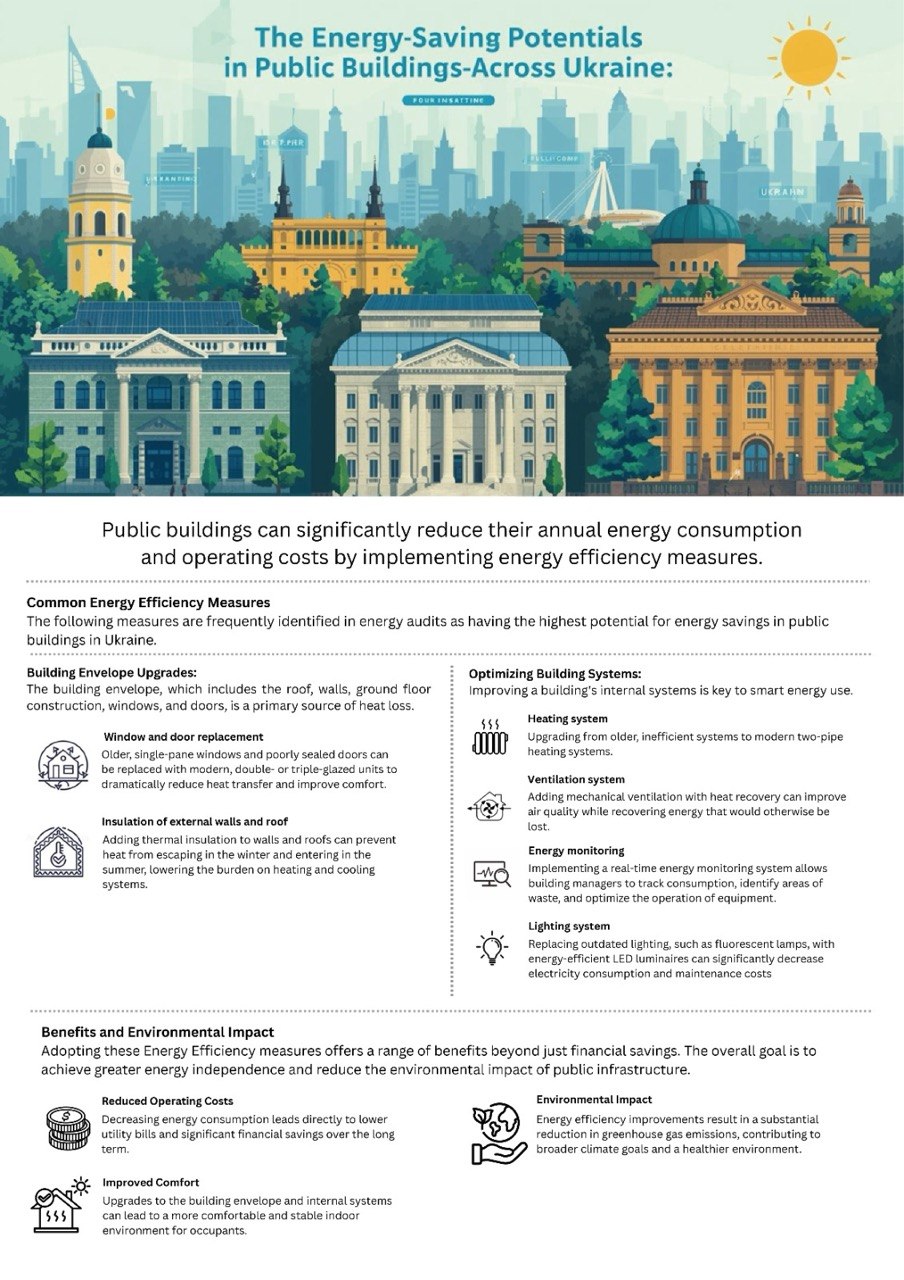
Information Materials on Energy Efficiency Measures
Promotion of an energy efficiency culture through energy-saving campaigns, the establishment of decarbonization offices, and the development of future energy experts.
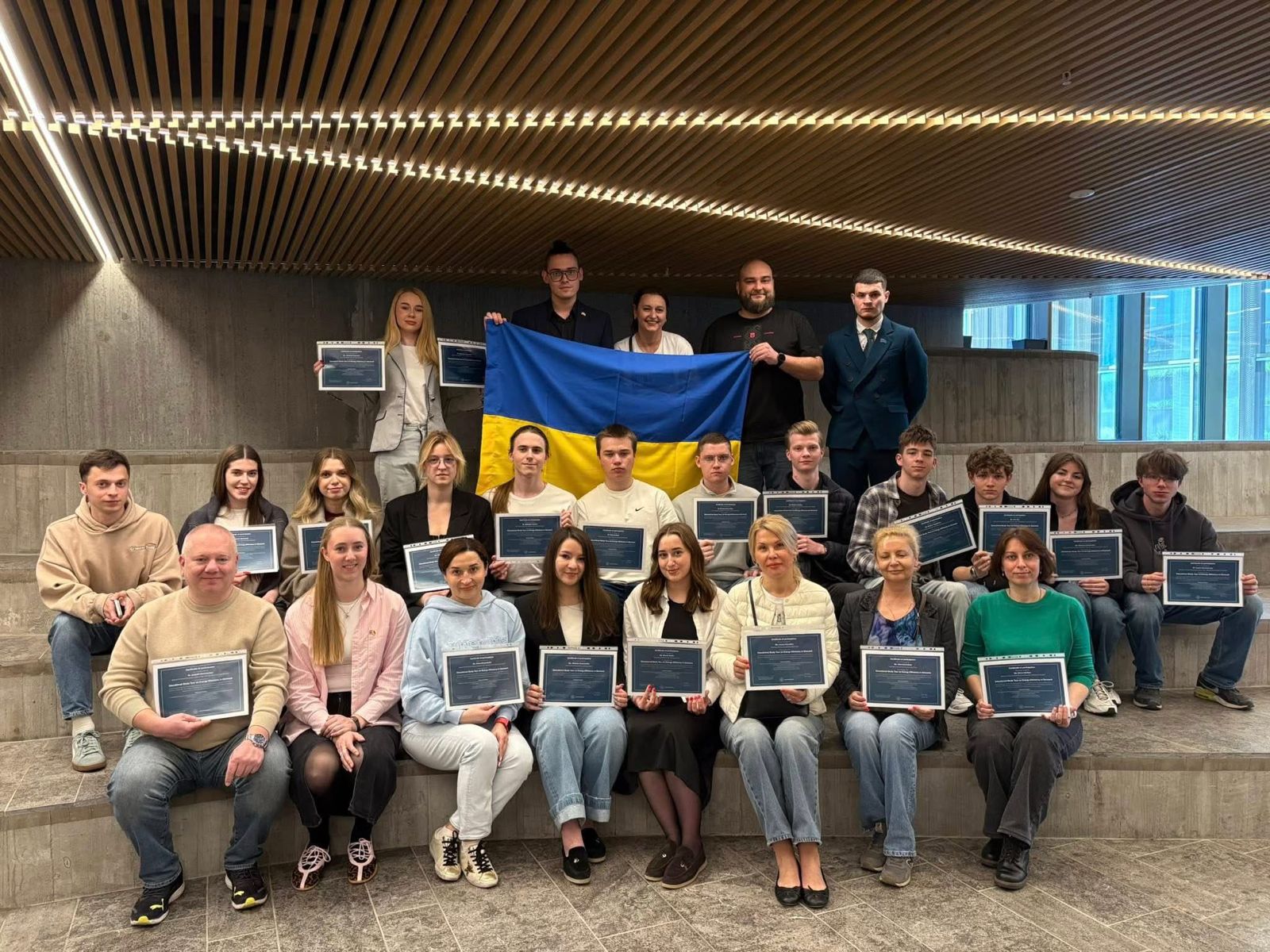
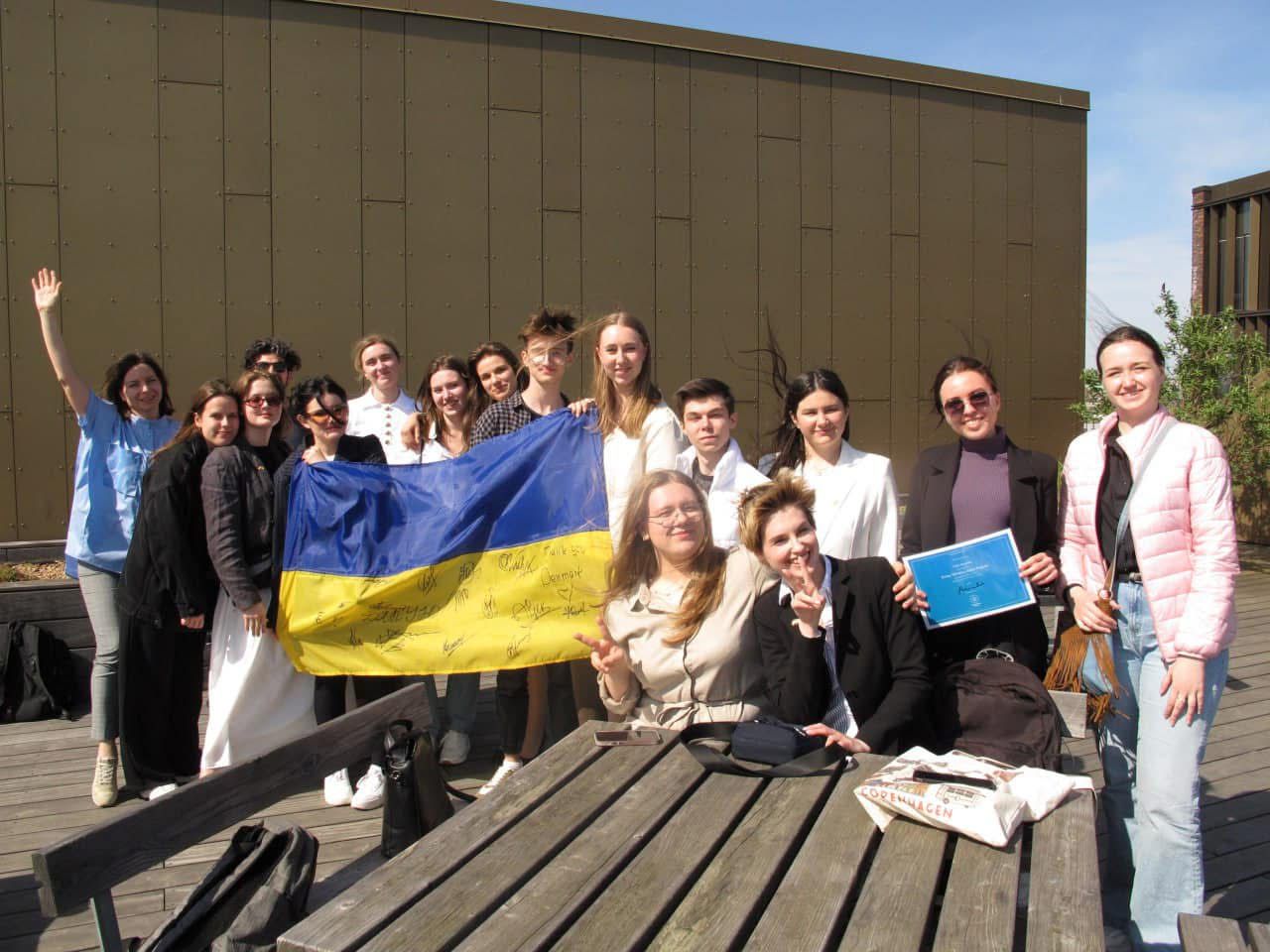
UDEPP launched the EE Talent Programme through a Memorandum of Understanding signed with the Ministry for Development of Communities and Territories of Ukraine (MinDev) and four Ukrainian universities in April 2024. In the first round, 13 students participated in a study tour to Copenhagen and six months of advanced technical online seminars. The 2026 round was expanded to include 15 students and 6 university instructors participating in a four-day study tour in Ukraine and a week-long programme in Copenhagen, with potential internships within MinDev afterwards.
The Talent Programme is designed to build future technical capacity and address the critical staffing shortage in energy efficiency within Ukrainian state institutions, which is essential for adapting national legislation to EU standards and reducing energy consumption.
Established in 2024 with UDEPP support, the Mykolaiv office adapts Danish “one-stop-shop” models to help local entities access green financing. Denmark’s contribution specifically includes funding personnel salaries, providing expert capacity building, and supporting the promotion of energy efficiency measures.
The office serves as a regional coordination and support hub for energy efficiency and renewable energy initiatives, providing hands-on consultations and expert evaluations to support projects development and financing. It also assists local businesses and municipal entities in preparing applications for the national Decarbonisation Fund of Ukraine. By supporting the office in Mykolaiv, Denmark aims to promote awareness and stimulate public and private investments in energy-efficient technologies and solutions to accelerate the region’s energy recovery and resilience.
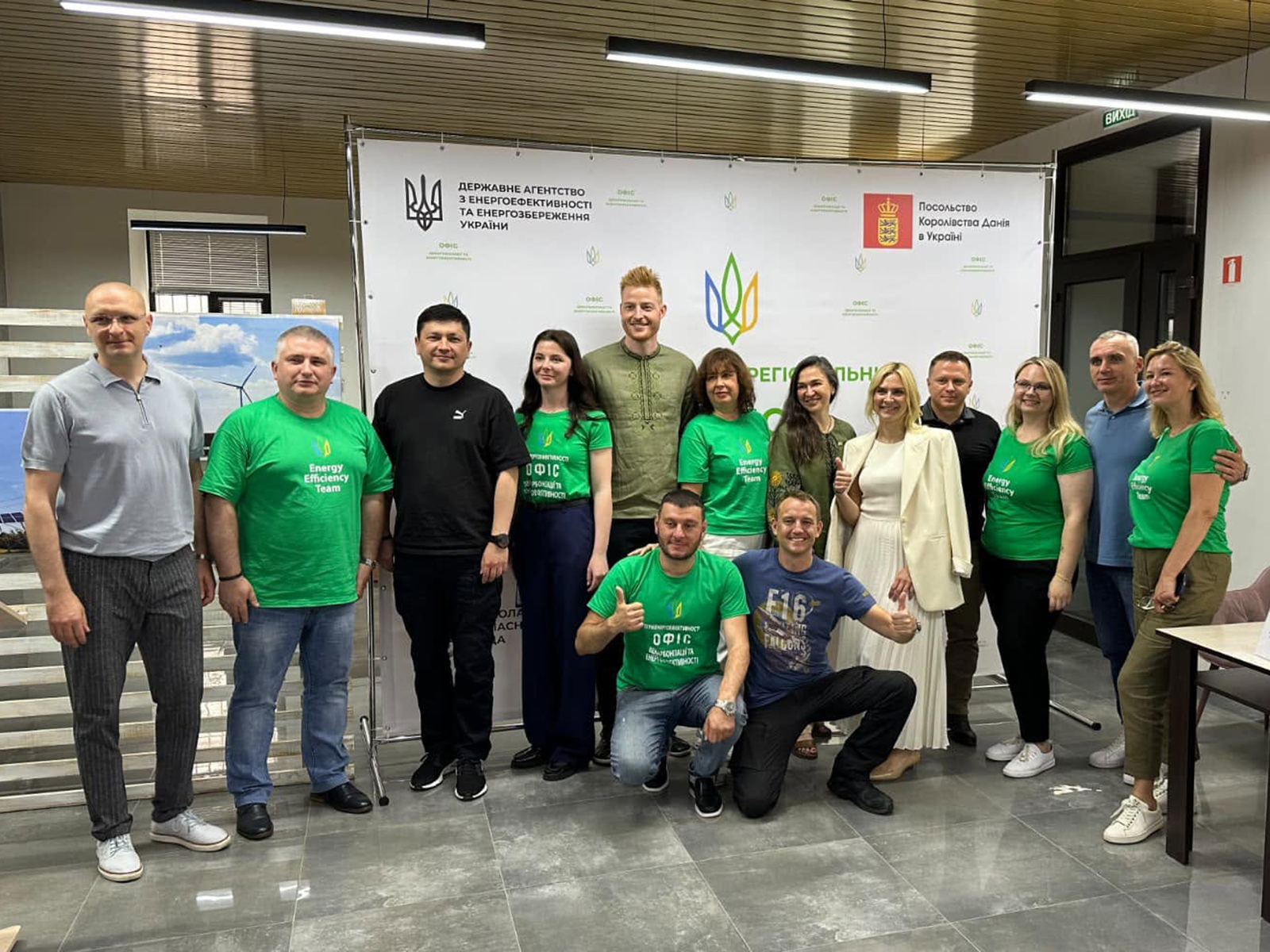
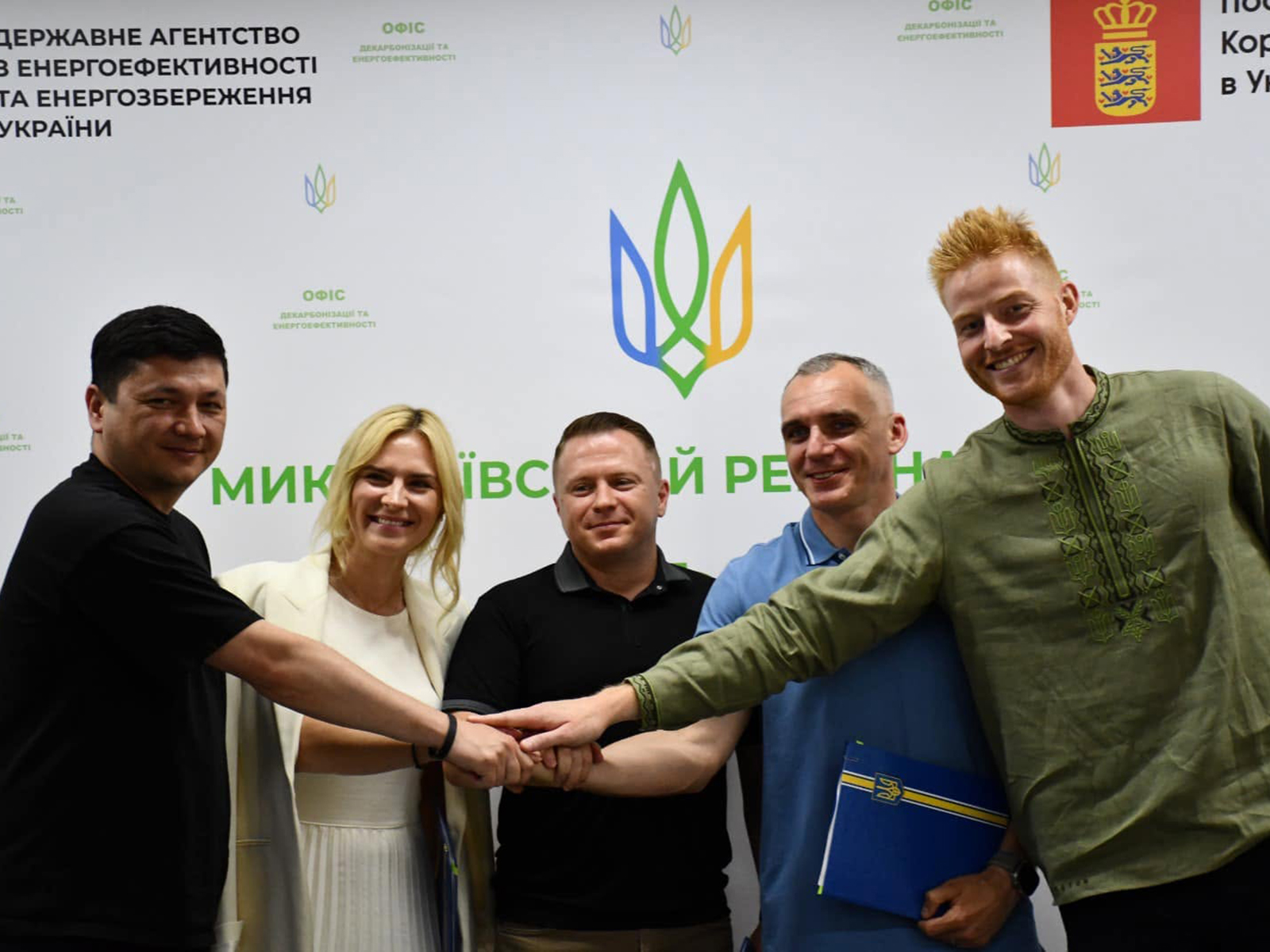
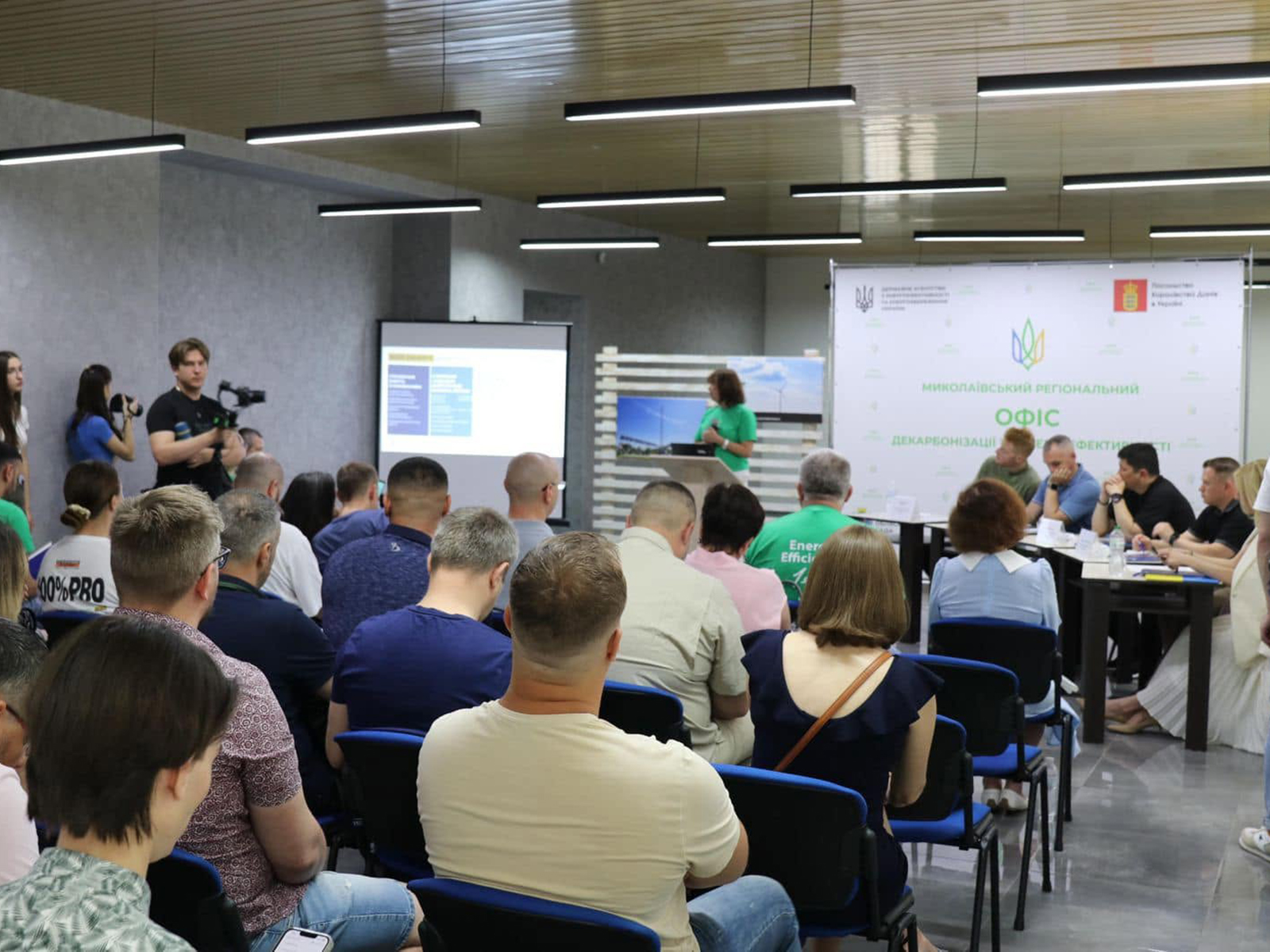
To scale up the successful experience of the Mykolaiv pilot office, UDEPP supported the State Agency on Energy Efficiency and Energy Saving (SAEE) in establishing a national network of regional decarbonisation offices, now available in the Mykolaiv, Dnipropetrovsk, Kharkiv, Kirovohrad, Odesa, Rivne, Vinnytsia and Zhytomyr regions.
The initiative aims to strengthen regional capacity in municipal energy management and the development of Local Energy Plans (LEPs). As part of this collaboration, UDEPP supported a series of joint network workshops (seven sessions completed by May 2026), including technical input from Danish experts and peer-to-peer exchanges among regional staff to share experiences and practical approaches. By providing a structured platform for coordination, the network helps local authorities identify energy-saving projects and prepare applications for the Decarbonisation Fund of Ukraine to secure sustainable financing.
Facebook page of the Decarbonisation and Energy Efficiency Offices]
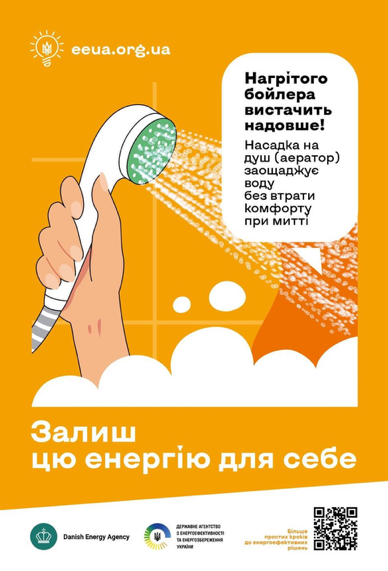
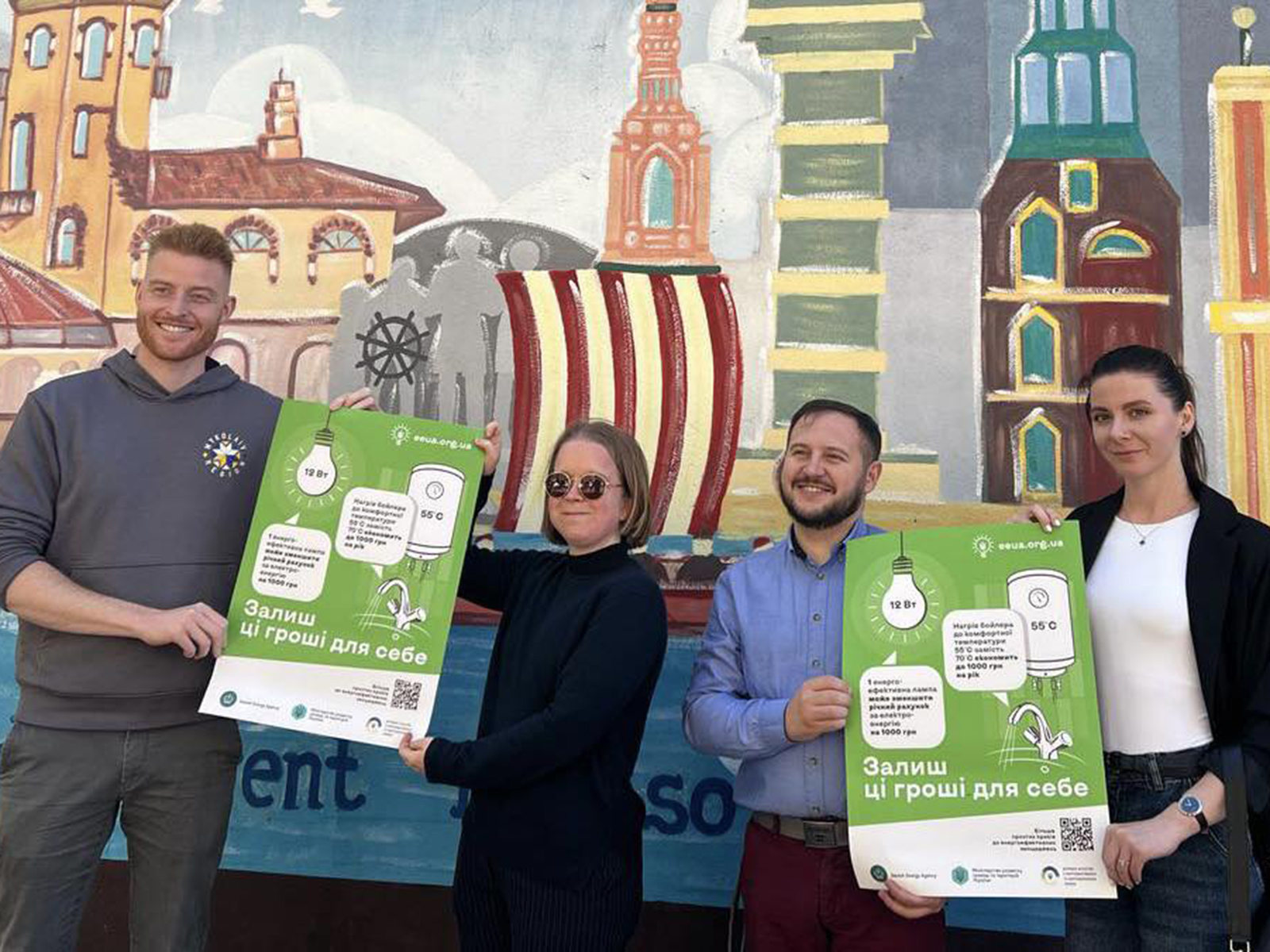
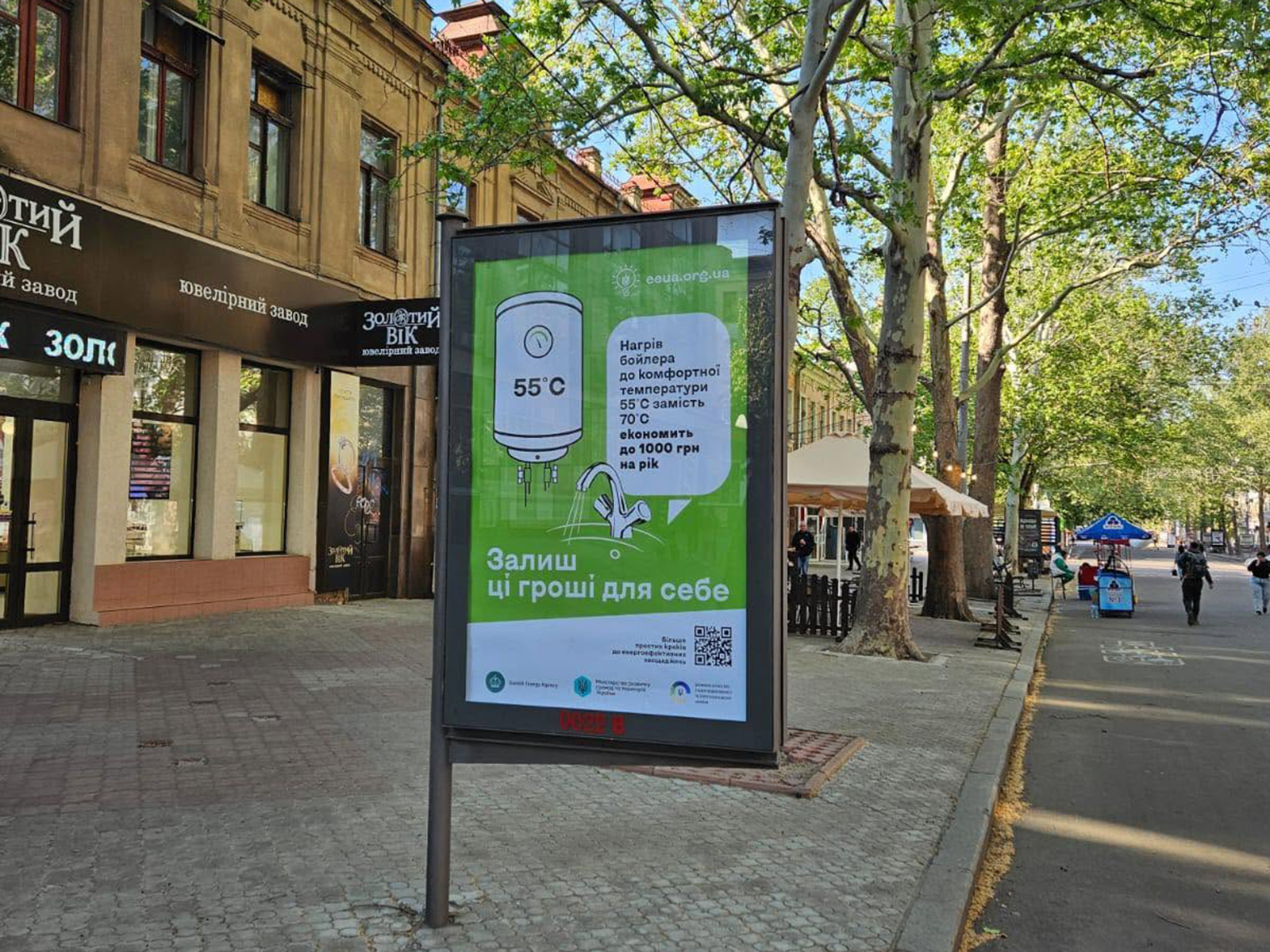
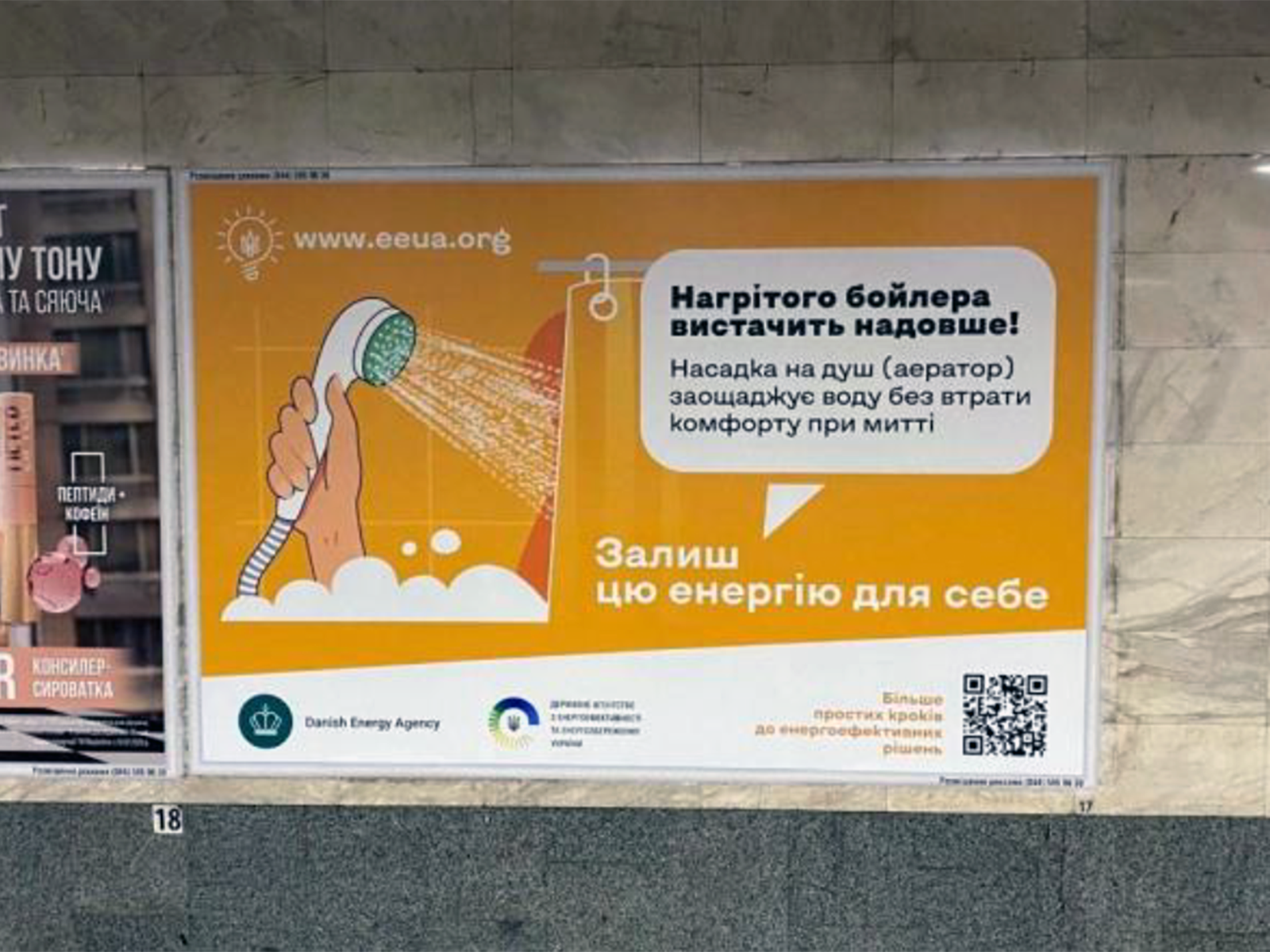
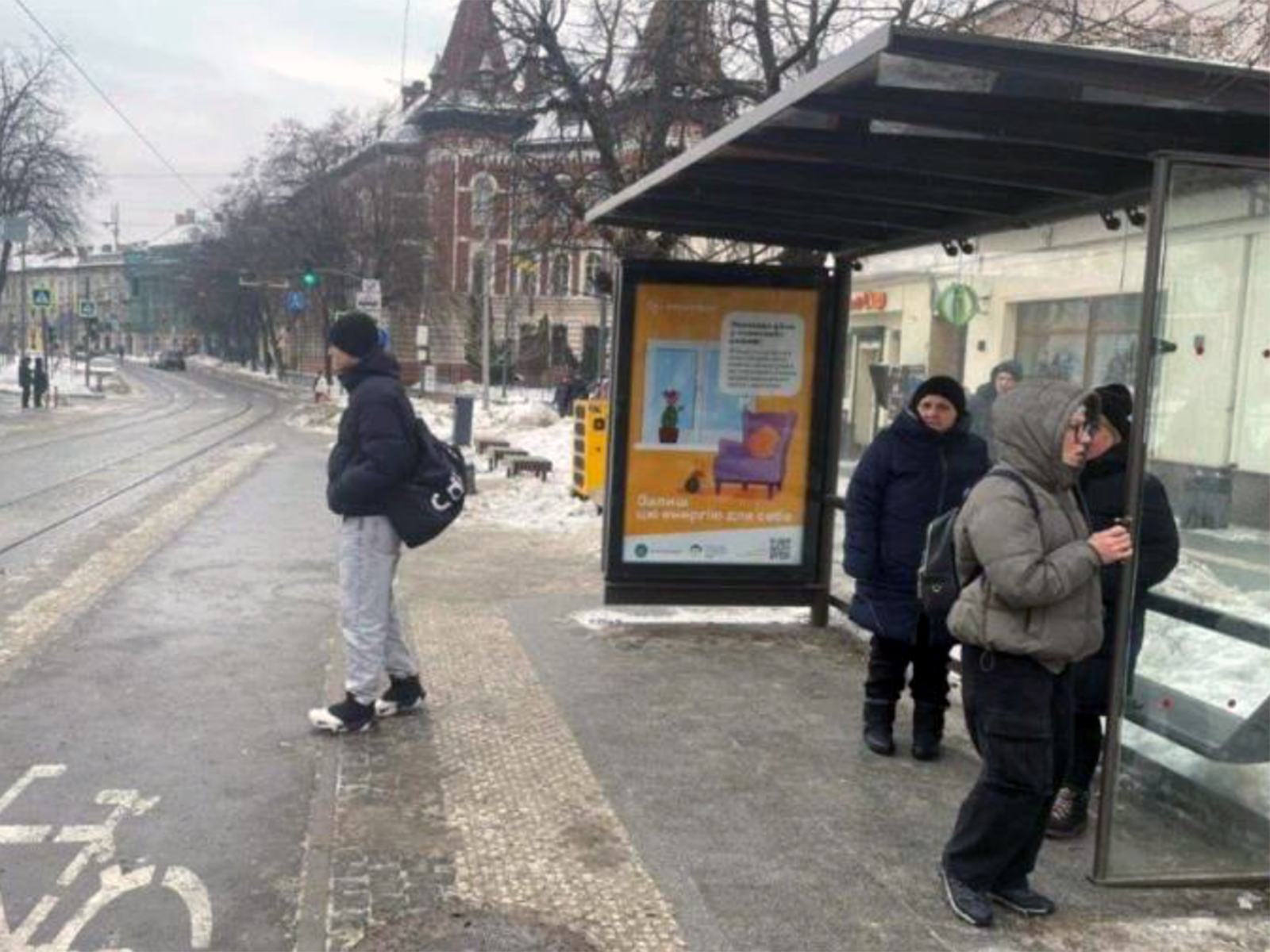
In response to Ukraine’s energy challenges and the need to strengthen public awareness of practical energy-saving solutions, two waves of a nationwide energy efficiency campaign were implemented. The first wave, “Keep the Money for Yourself”, mainly targeted on Mykolaiv and focused on demonstrating the financial benefits of energy efficiency and encouraging households to adopt simple everyday practices. Building on these results, the second wave, “Save This Energy for Yourself”, was launched amid continuing attacks on Ukraine’s energy infrastructure, focusing on practical actions that help households preserve warmth, improve comfort and use available energy more efficiently.
Together, both waves reached over 13 million people through TV, digital channels, outdoor media and local networks, generated over 1,400 media publications, and established eeua.org.ua as a trusted source of practical energy-efficiency guidance.
Within the framework of UDEPP, the technical transfer of the Danish energy awareness platform SparEnergi.dk to Ukraine as SaveEnergy.saee.gov.ua was completed in September 2025. Work was carried out to adapt and translate its core content into Ukrainian. The project focused on adapting Danish expertise to the local context, including the development of interactive digital calculators and technical guidance designed to help citizens reduce energy consumption and manage costs.
The technical foundation was established, and the final implementation of the SaveEnergy.saee.gov.ua web portal was completed, addressing technical integration challenges. The portal was launched in mid-June 2026 and is already operational, serving as Ukraine’s central hub for public energy awareness. It provides households with practical digital tools and supports the country’s energy security through informed energy conservation.
To harmonize building certification with the EU EPBD Directive, UDEPP launched a project within the Unified State Electronic System for Construction (USESC) in late 2025. The project has been developing a module for the automated generation of energy certificates, which eliminates errors from manual entry and ensures digital monitoring of certificate quality. Active implementation and integration of this functionality continue through 2026.