Denmark supports Ukraine in modernising its district heating sector by sharing world-leading expertise to enhance regulatory frameworks and strengthen holistic planning capacity. The partnership prioritises harmonising Ukrainian heat-supply regulations with EU standards and developing resilient, efficient municipal heat-supply schemes. Through technical toolkits and strategic recommendations, Danish experts help Ukraine rebuild damaged infrastructure according to sustainable, least-cost principles, making the sector more attractive to international green investment.

Alignment of the Ukrainian regulatory framework and technical standards for district heating with EU legislation and support for the development of a national modernisation strategy.
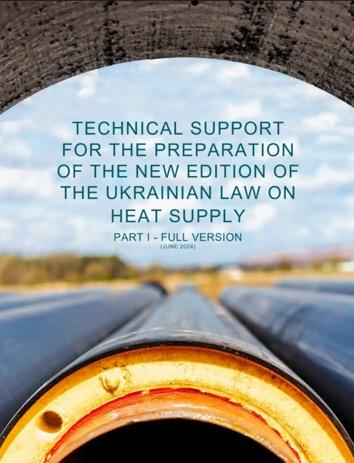
In collaboration with the Danish Energy Agency and the consultancy Rambøll, two comprehensive reports were developed outlining key challenges and reform priorities for Ukraine’s district heating sector. The reports identify critical issues such as outdated infrastructure, financial instability and accumulated debt, significant energy losses, and the urgent need to align heat-supply systems with European standards for energy efficiency and sustainability.
These results serve as a strategic basis for the Ministry for Development of Communities and Territories of Ukraine (MinDev) to draft a new Heat Supply Law in line with EU accession requirements.
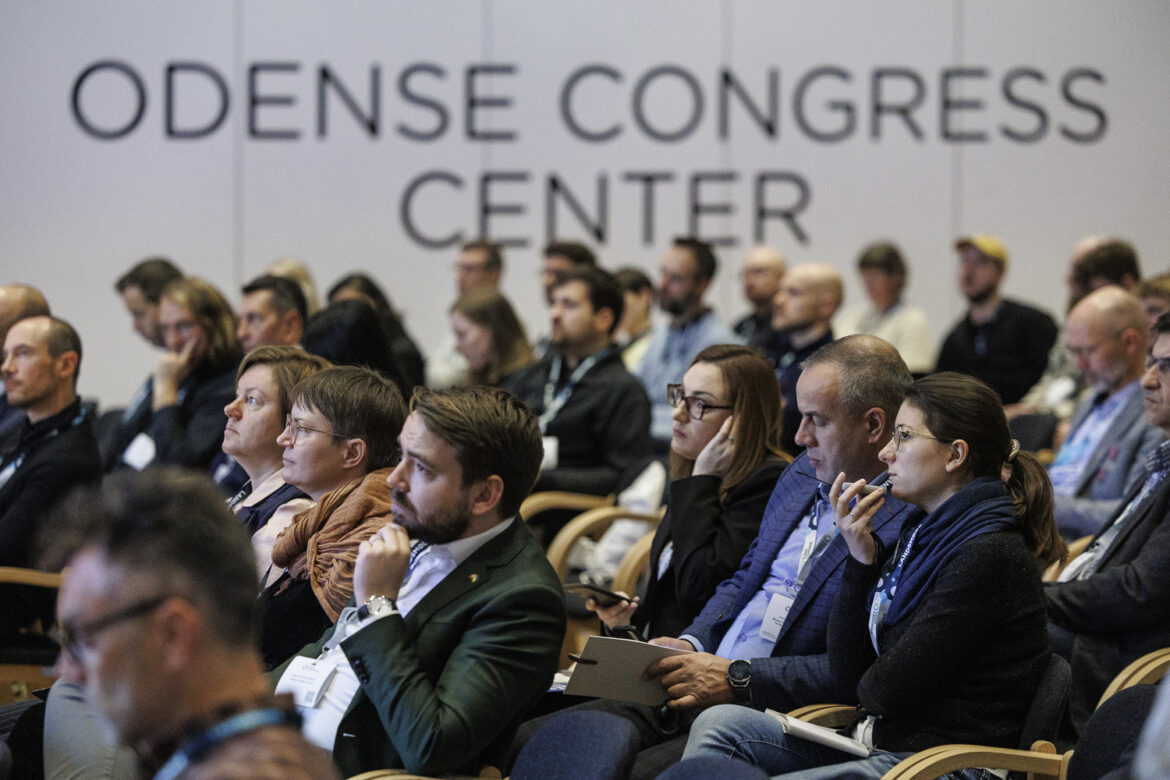
The programme offered a combination of technical presentations and site visits, including tours of facilities showcasing practical applications and innovations in district heating. The participation in the International District Heating Summit in Odense offered the possibility to attend several panel discussions giving valuable insights from high-level speakers and sector leaders. Participants focused on critical topics such as district heating consumer protection, price regulation, and tariff formation.
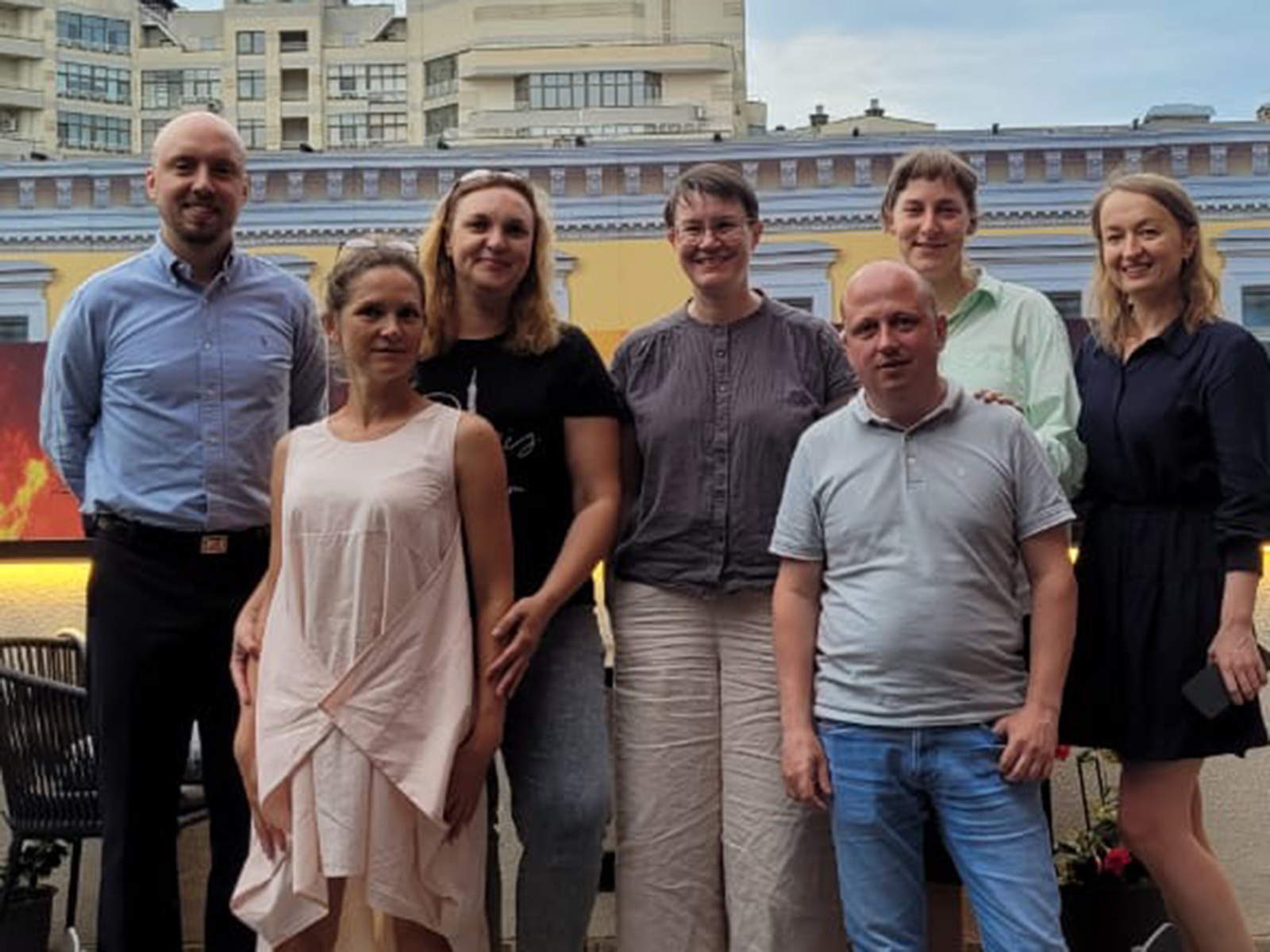
In collaboration with GIZ, UDEPP launched a joint project to revise the outdated Ukrainian technical standard KTM 204. The initiative aims to replace rigid prescriptive norms with a modern methodological framework that supports the decarbonisation of the district heating sector and aligns with EU legislation, including the EED and RED III. This modernisation broadens the range of eligible production technologies and equips Ukrainian authorities with updated tools for strategic, future-proof infrastructure planning.
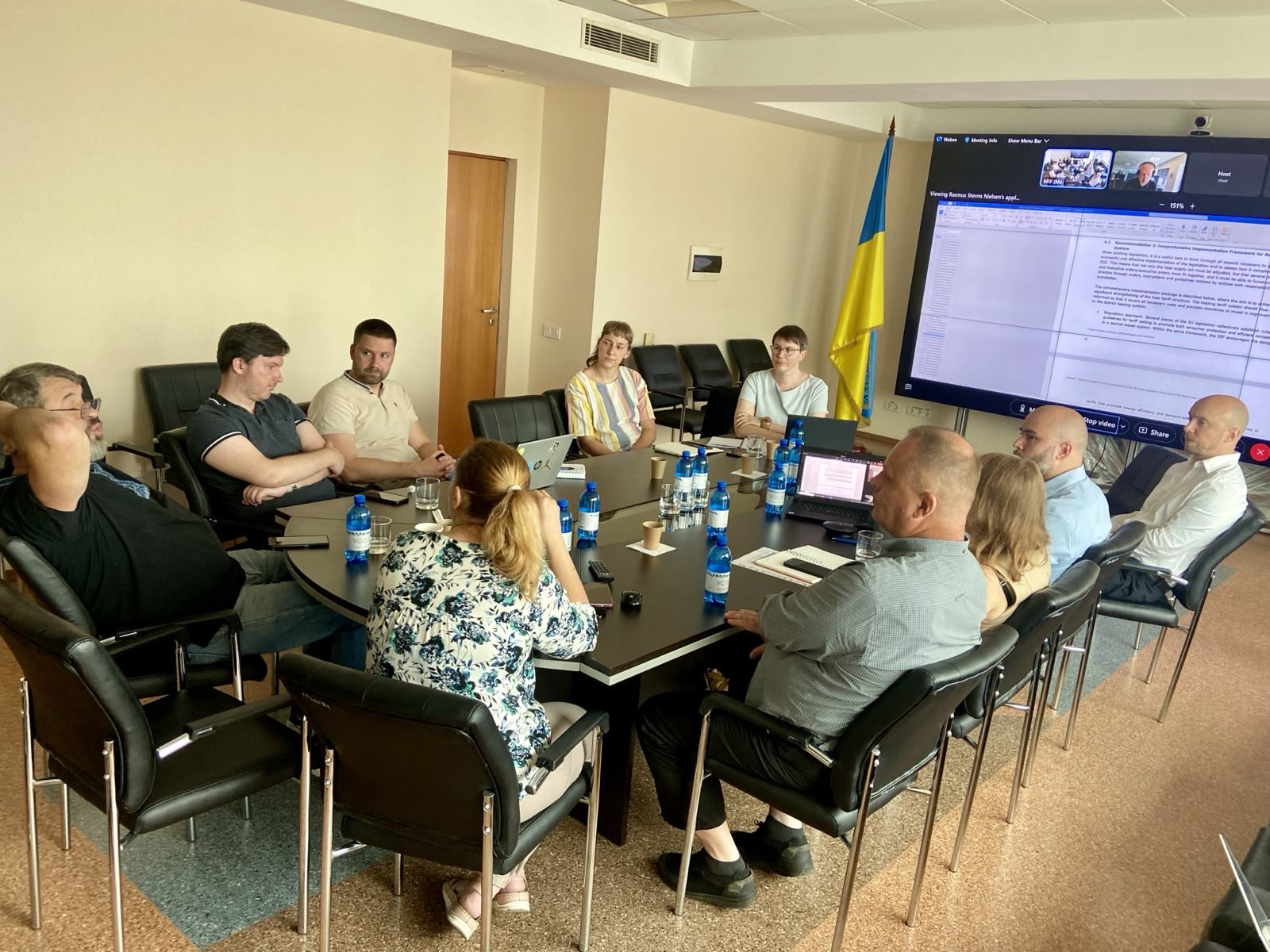
The programme provides targeted technical assistance to MinDev in developing a national initiative to reduce fossil-fuel consumption in district heating. It also delivers workshops for MinDev, NEURC and other stakeholders on tariff-reform approaches that separate social policy from heat-sector regulation and address the accumulated debts of district heating companies. This support strengthens governance and regulatory capacity, contributing to long-term financial sustainability and the decarbonisation of the district heating sector.
Implementation of resilient and efficient district heating systems through comprehensive planning and technical assessments at the local level.
UDEPP, together with the Danish consultancy Rambøll and the Ukrainian Institute of Engineering Ecology, successfully implemented a pilot project to develop a comprehensive Heat Supply Scheme for the city of Mykolaiv. The project then advanced from an inception phase in mid-2024 to a full technical assessment, including hydraulic modelling and the development of decarbonisation scenarios done by the Danish consultancy COWI. Finalised in early 2026, the scheme provides a robust, data-driven foundation for reconstructing the city’s energy system and serves as a model for other Ukrainian municipalities.
To bridge the gap between planning and financing, UDEPP initiated the development of guidelines for district heating companies applying to the national Decarbonisation Fund. These guidelines support local utilities in preparing bankable, low-carbon project proposals, ensuring that regional heat-supply schemes can be effectively implemented through available financial mechanisms. This work directly strengthens municipal heat suppliers’ capacity to modernise their networks independently.
Throughout 2026, the programme delivers capacity-building workshops and webinars to share the Danish district heating experiences that have translated technical modernisation plans into viable investment projects.