The UDEPP provides Ukraine with strategic technical assistance and the expertise of the Danish Energy Agency to establish a robust national energy modelling framework for sustainable policy planning. Building on a strong foundation of capacity development and extensive technical training, the programme now focuses on translating this expertise into action. In close collaboration with Ukrainian authorities, the UDEPP supports joint strategic projects of high national priority, enabling Ukrainian experts to further strengthen their capabilities through real-life energy planning challenges. Throughout, the partnership remains guided by data-driven, least-cost principles – advancing Ukraine’s alignment with European energy standards and supporting a resilient green recovery.

Establishment of a robust energy modelling framework to support national strategic documents and build technical capacity within Ukrainian energy authorities.
UDEPP successfully completed six intensive training rounds between 2024 and late 2025, providing specialists from the Ministry of Energy (MoE) with a comprehensive understanding of long-term modelling using the TIMES Ukraine model. The training sessions, held in Copenhagen together with the modelling experts from DEA, International consultants as well as experts from the Institute for Economics and Forecasting of NASU, empowered participants to model optimised, least-cost energy system scenarios that account for emissions reductions and renewable integration.
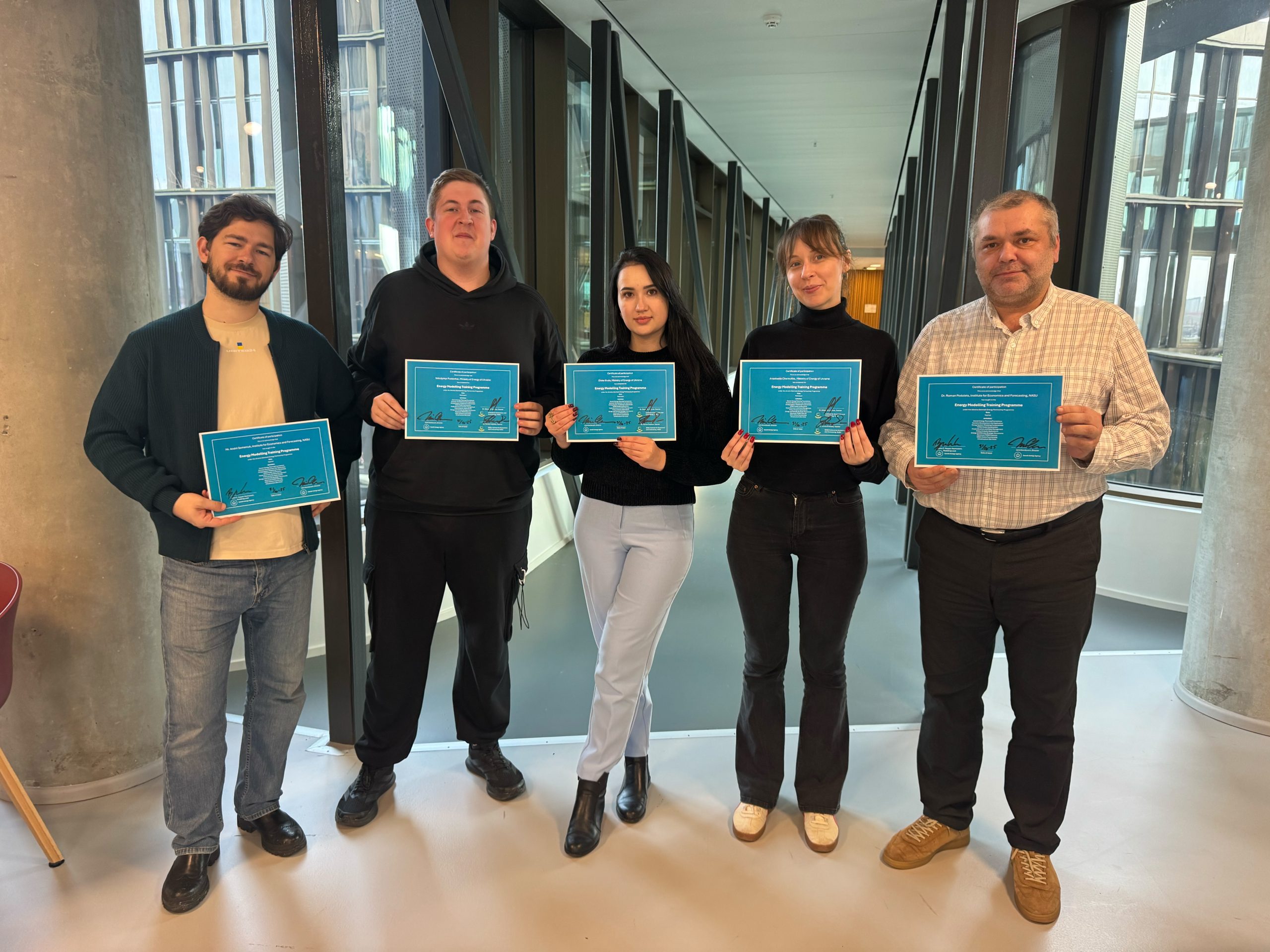
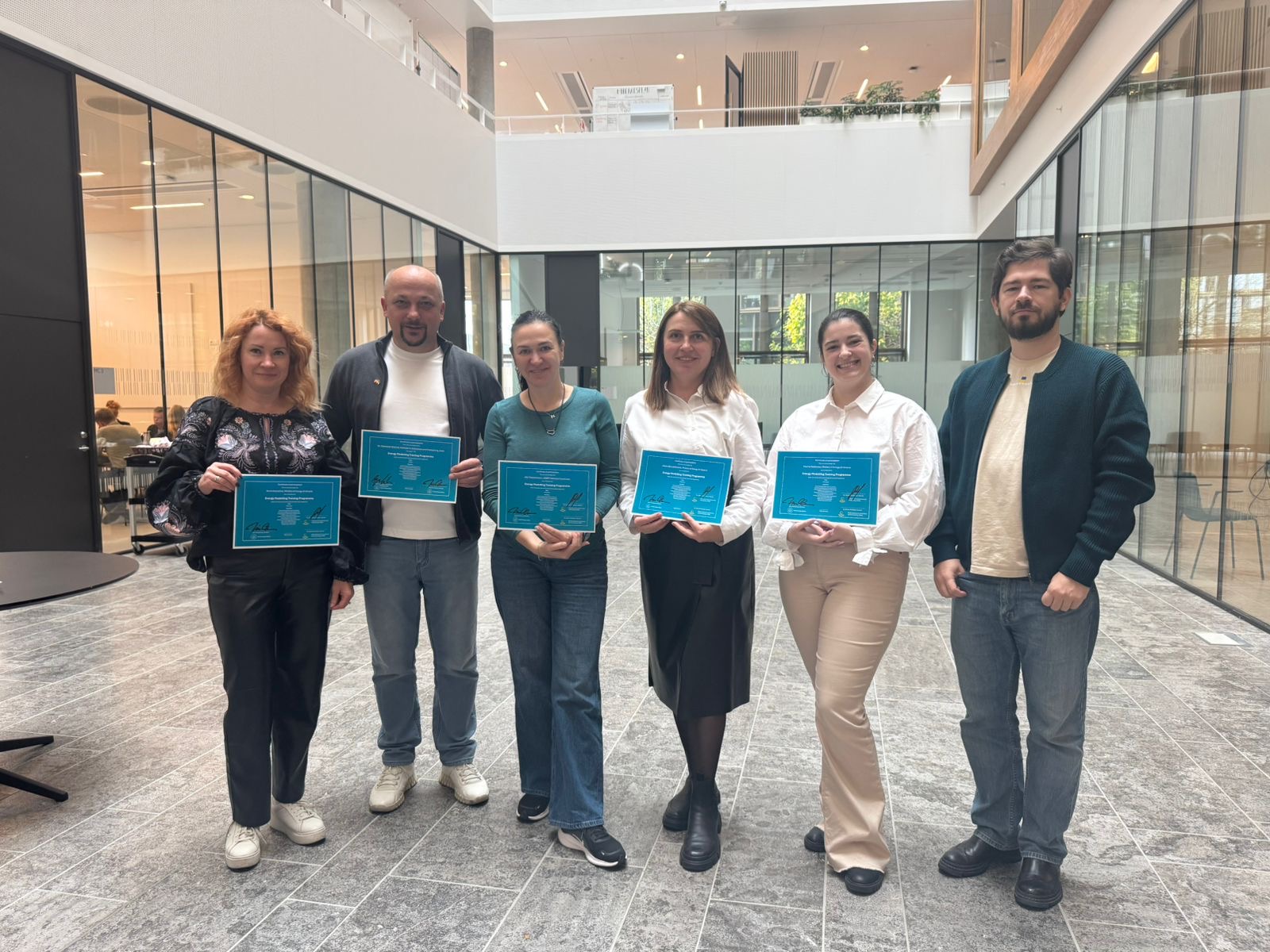
In its current phase, the UDEPP moves from building foundations to delivering impact. Working side by side with Ukrainian authorities, the programme engages in joint strategic projects that reflect Ukraine’s highest energy planning priorities. This applied approach allows Ukrainian experts to deepen their capabilities in a practical setting – tackling real challenges, producing actionable outputs, and strengthening the institutional capacity needed to drive a sustainable and resilient energy transition.
Provision of high-quality, standardised energy data gathered centrally and updated regularly to inform national and regional energy planning.
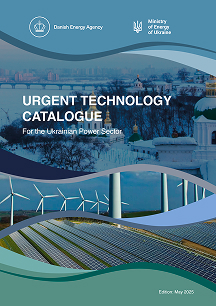
The programme successfully developed and published two versions of the Urgent Technology Catalogue (UTC), which serves as a practical roadmap for rebuilding Ukraine’s power generation during the war. The documents were prepared in cooperation with Danish and Ukrainian experts from the EA Energianalyse and the Institute for Economics and Forecasting, under comprehensive supervision by DEA.
The first version, presented in early 2024, provided an emergency list of technologies that could be relatively quickly deployed to provide electricity supply to citizens during the winter months. The comprehensive second edition, issued in May 2025, provides an updated toolkit for local and national leaders to build a more secure and independent energy future. It evaluates 23 technologies, including solar, wind, and gas generation, based on how well they withstand attacks and how quickly they can be repaired. Together, these catalogues strive to help communities attract international investment and choose the most reliable equipment to ensure a steady supply of electricity and heat for all Ukrainians.
UDEPP developed REZOMA (Renewable Energy Zones Mapping tool), a digital GIS-based planning tool designed to identify the most suitable locations for deploying renewable energy, particularly industrial wind and solar PV. By mapping geographical features to energy potential, REZOMA enables local and national authorities to make informed, data-driven decisions on the placement of renewable energy infrastructure.
While officially transferred to the Ministry of Energy in early 2026, the tool is currently undergoing final technical adjustments to ensure full accessibility for regional military administrations and municipalities.
Working in synergy with the Urgent Technology Catalogue (UTC), REZOMA empowers stakeholders to identify optimal and secure sites for decentralised energy projects, effectively fast-tracking the deployment of secure energy and attracting vital donor investment. This integration is also key to designating Renewable Acceleration Areas (RAAs) in alignment with European requirements.
Activated as a Rapid Response Mechanism to address the critical gap in municipal planning, this framework assists communities in developing mandatory Local Energy Plans (LEPs). Currently in its initial phase, the initiative aims to provide local authorities with step-by-step technical guidance, standardised templates, and high-quality data.
Working alongside the network of Regional Decarbonization Offices, the framework is establishing a comprehensive manual and a digital knowledge bank to empower municipalities to independently project their energy needs while aligning local strategies with national targets and European standards.