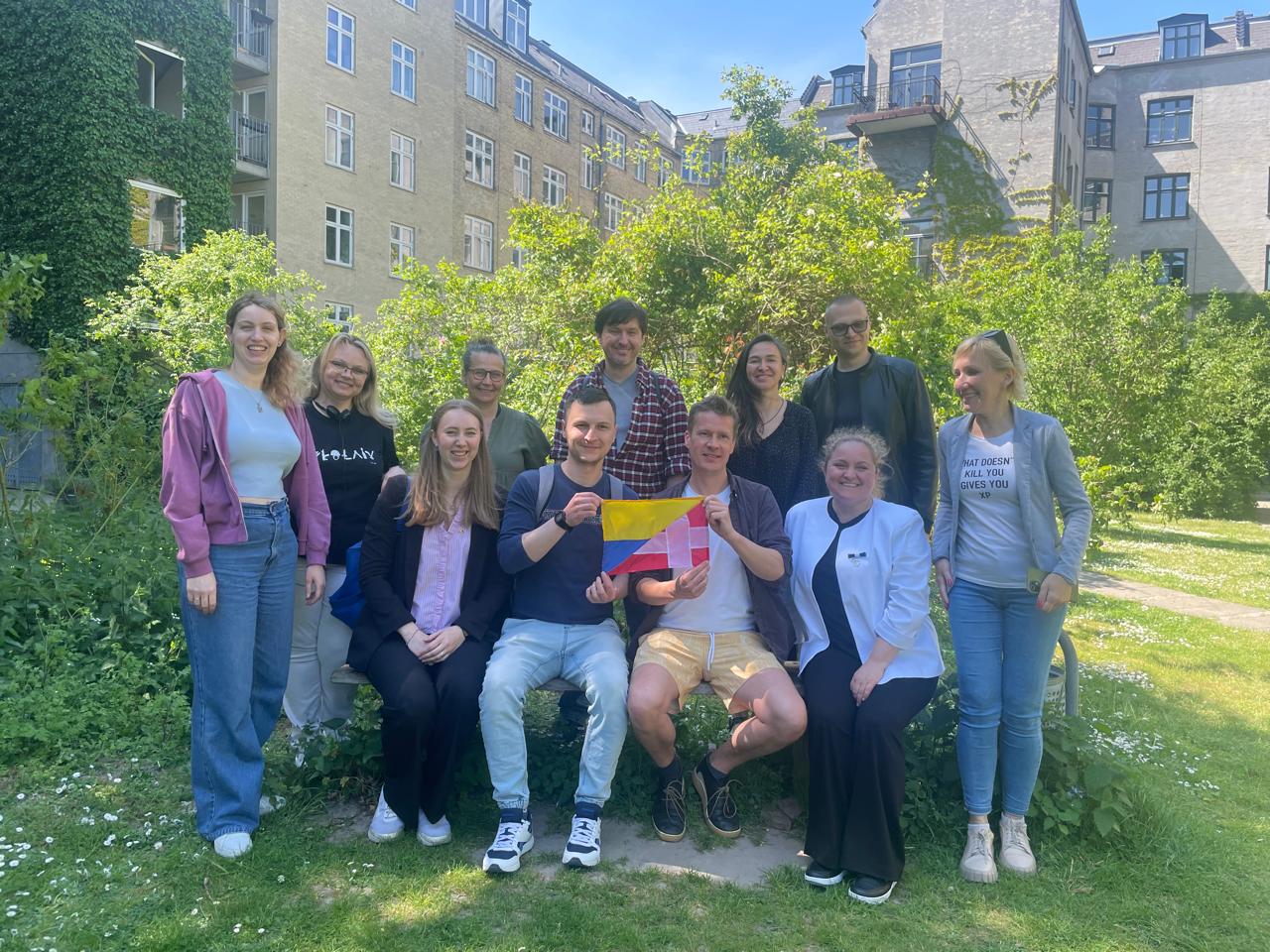
UDEPP activities related to the integration of renewable energy are centered around electricity markets, power system operation, renewable projects development and biogas, and aim towards a decentralised, reliable, market-based Ukrainian energy system.
Experts from the Danish Energy Agency, and earlier from Energinet, have been supporting Ukraine in modernising its electricity market and grid codes to integrate large-scale renewable energy while ensuring system reliability. This strategic partnership facilitates Ukraine’s coupling with the European energy markets, as well as coordination within the European Network of Transmission System Operators (ENTSO-E), and provides the regulatory tools necessary for a transparent and resilient energy transition.
Moreover, the programme is interested in renewable projects for onshore wind and for biogas – from regulatory barriers and incentives to resources mapping and sector development. In close collaboration with Ministry of Energy and other main stakeholders, activities promote an enabling environment for such renewable projects throughout the country.
By sharing best practices in these areas, Denmark helps Ukraine build a secure and sustainable power system aligned with EU standards and supports market liberalisation.
Harmonisation of the Ukrainian electricity markets with European standards to accelerate market liberalisation and ensure security of supply, as well as support for EU accession in relation with electricity markets.
Experts from the Danish Energy Agency and previously Energinet conducted several specialised webinars, expert dialogues and technical workshops for the Ministry of Energy and NEURC on a number of regulatory topics linked to electricity markets, such as the Danish datahub, resource adequacy, market-based solutions for providing ancillary services, or citizen energy communities from a Danish perspective. By delivering this technical assistance, focus has been on Ukraine’s foundation for a gradual electricity market coupling with Europe and its full integration into the European internal energy market.
In addition to this, selected experts from the Danish Energy Agency provided feedback on regulatory documentation and intensive mock screening sessions, designed to prepare Ukrainian negotiators for official consultations with the European Commission.
DEA, in partnership with the Danish TSO Energinet, provided technical assistance to NEURC to launch a regulatory system for tracking and certifying renewable electricity. The collaboration followed a set of priority topics defined by the regulator, including the circulation of guarantees, disclosure of information, and technical verification protocols.
In 2024, a series of specialised workshops established the core regulatory rules. An additional online workshop on Guarantees of Origin for electricity was carried out in February 2025 by experts from Energinet (the Danish TSO) and Danske Commodities for a wider audience, including MoE, NEURC, Ukrenergo, Guaranteed Buyer, industry associations and companies. As a result, Ukraine is better positioned to implement transparent certification systems that enhance the investment attractiveness and bankability of renewable projects.
Development of technical recommendations and tools to enhance power system flexibility and operational resilience for the integration of large-scale renewable energy.
Following Ukrenergo’s full membership in ENTSO-E, UDEPP has been supporting a comprehensive gap analysis between Ukrainian national grid codes and EU standards. This work focuses on requirements for generators (RfG), demand connection (DCC), and high-voltage direct current (HVDC) systems. The programme also provided technical assistance to develop equipment-testing methodologies, guidelines for cost-benefit analyses related to derogations, and specialised training on the new European Network Code for Cybersecurity.
These efforts provide Ukrenergo with clear guidance for legislative amendments and technical standardisation in line with European requirements.
Developed with UDEPP support, the Ukrenergo mobile app helps balance electricity demand during periods of high system stress. The app delivers real-time regional grid status and instant alerts during power deficits. By providing practical energy-saving guidance, it coordinates voluntary and individual demand response, and supports demand reduction to help balance the system and minimise emergency outages.
This direct digital bridge with the Dispatch Centre empowers citizens to personally contribute to national energy resilience, ensuring a more reliable electricity supply to Ukrainian homes during critical periods.
The Ukrenergo mobile application
Identification of renewable energy potential and analysis of legal barriers to accelerate the development of onshore wind power and other renewable energy sources across Ukraine.
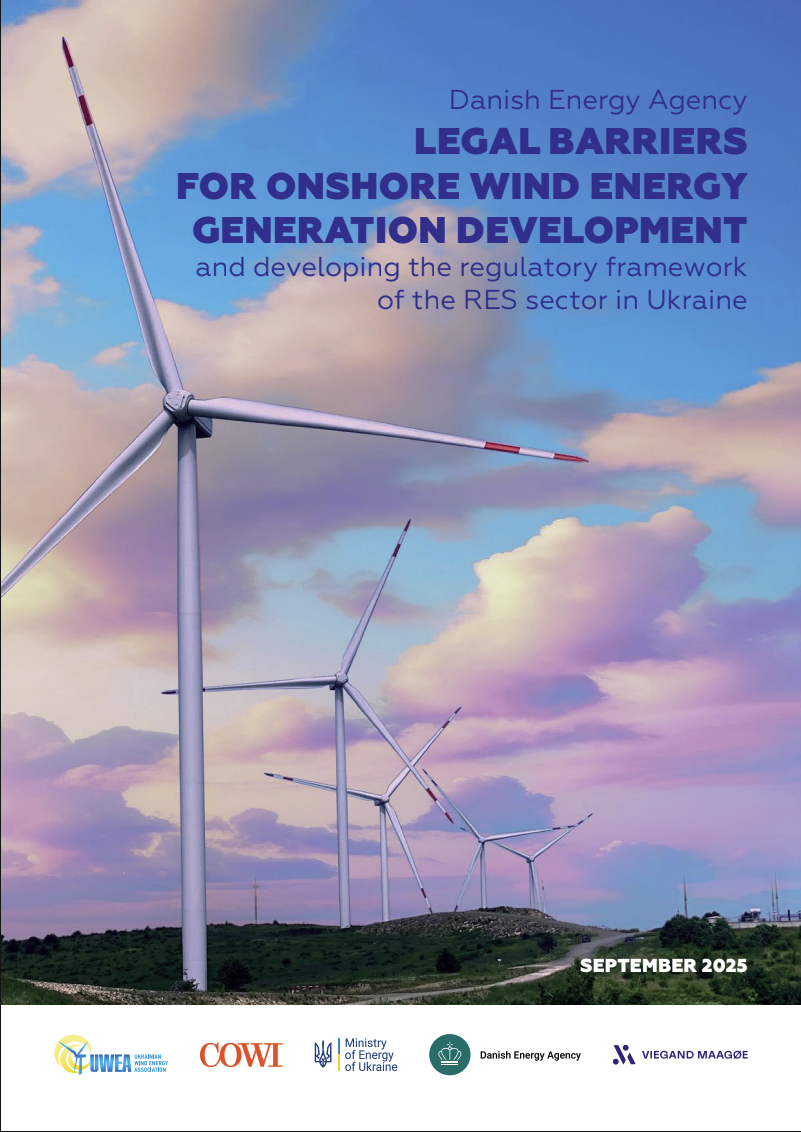
UDEPP completed a comprehensive analysis that identified 30 concrete recommendations for legislative reform to remove barriers to renewable energy development. Developed in collaboration with international consultants and the Ukrainian Wind Energy Association (UWEA), the study was specifically re-scoped to focus on streamlining permitting procedures in accordance with the EU’s RED III directive.
The report’s findings have already been used by the Ministry of Energy to shape draft law No. 14271 and other legislative acts. This deliverable provides a clear legislative roadmap to improve the investment climate in Ukraine’s renewable energy sector.
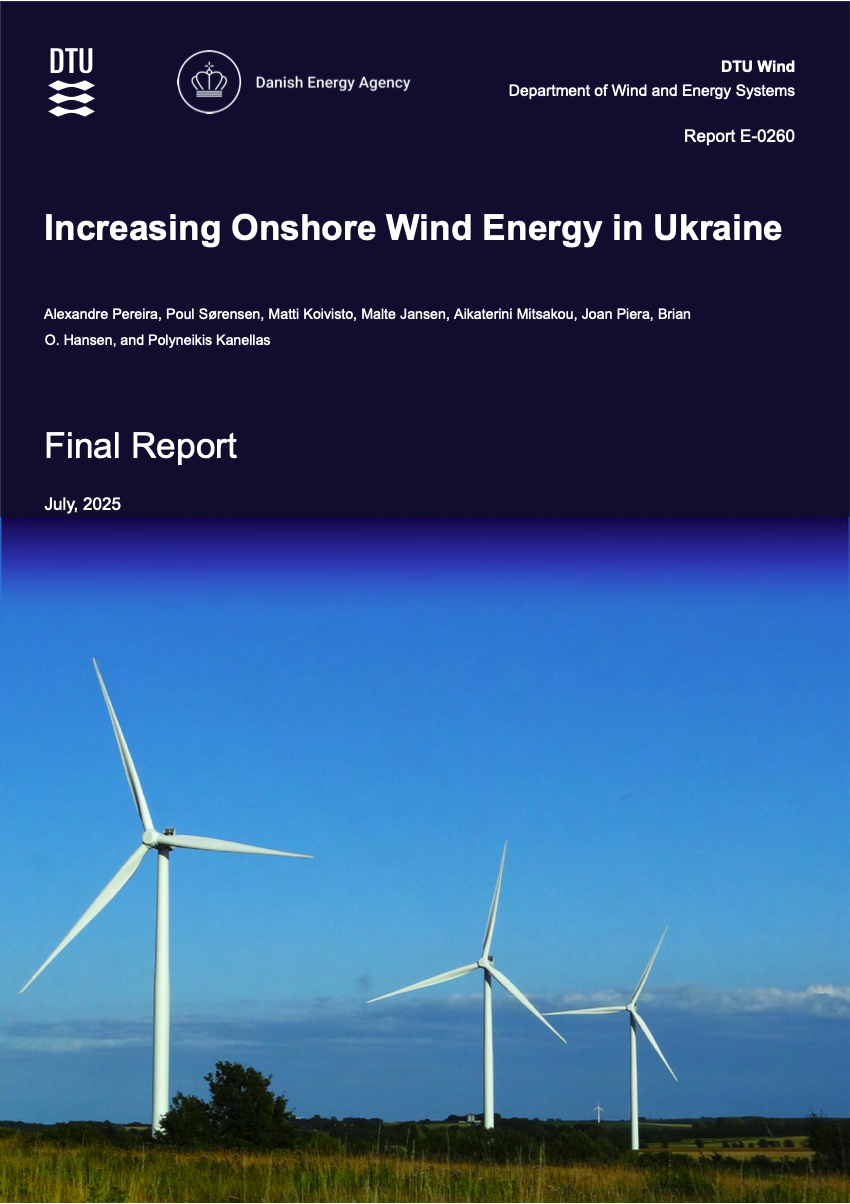
Completed in May 2025, the report provides hypothetical wind farm modelling and levelised cost of energy (LCOE) assessments to help the Ministry of Energy plan future wind auctions. This data-driven approach facilitates the identification of optimal locations for wind deployment and serves as a foundational step for designating Renewable Acceleration Areas (RAAs) in alignment with European standards.
Completed in May 2025, the report provides hypothetical wind farm modelling and levelised cost of energy (LCOE) assessments to help the Ministry of Energy plan future wind auctions. This data-driven approach facilitates the identification of optimal locations for wind deployment and serves as a foundational step for designating Renewable Acceleration Areas (RAAs) in alignment with European standards.
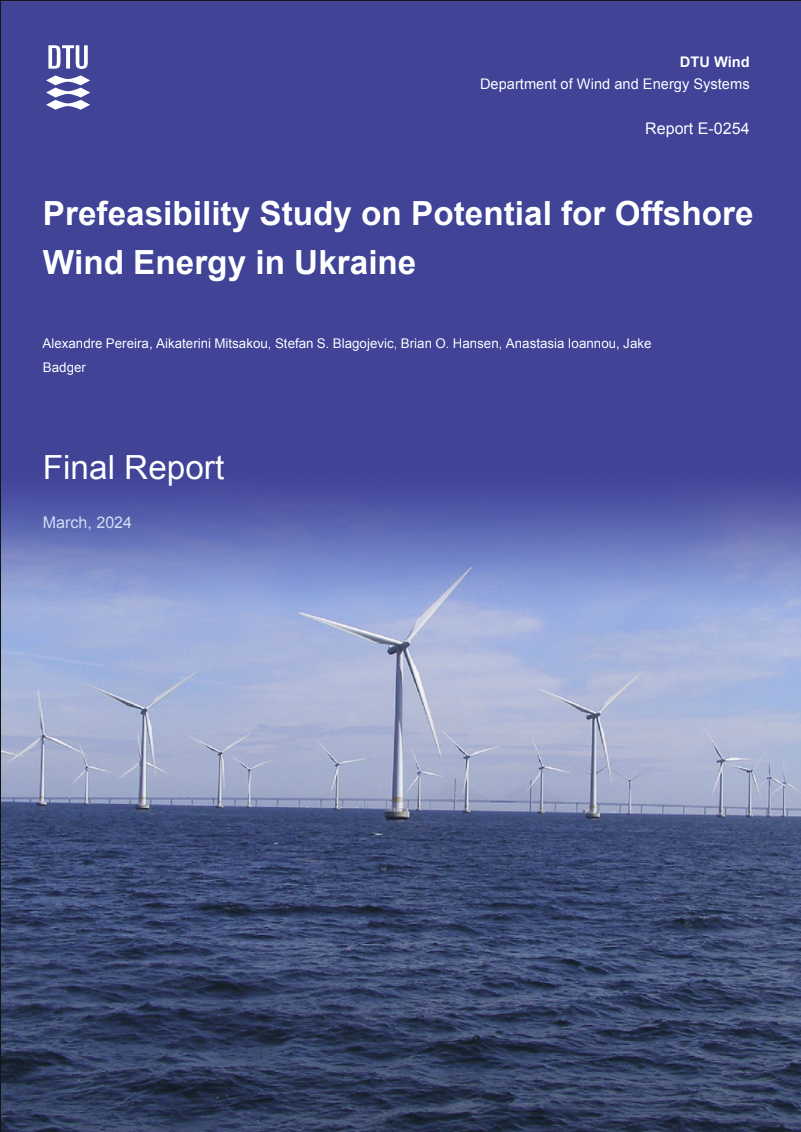
At the request of the DEA, the Technical University of Denmark (DTU Wind) in cooperation with the World Bank conducted a pre-feasibility study of Ukraine’s maritime zones, from the Black Sea to the Crimea peninsula and the Sea of Azov. The study identified promising offshore areas, assessed wind resources, and analysed the technical and economic feasibility of future projects.
The assessment confirmed vast long-term potential, but also highlighted critical wartime barriers, including high security risks in the Black Sea region and significantly elevated financing costs. Based on these findings and Danish expertise, the programme decided to pivot toward onshore wind projects, which offer shorter implementation timelines and greater feasibility under current conditions.
Prefeasibility Study on Potential for Offshore Wind Energy in Ukraine (Final Report, March 2024)
Elaboration of a strategy and legislative framework to facilitate investments in sustainable biomethane and its integration into the gas grid.
UDEPP launched a dedicated work stream on biogas and biomethane in response to an urgent request from the Ministry of Energy. In collaboration with Danish TSO Energinet and Danish DSO Evida, the programme conducted intensive workshops for NEURC, SAEE, and the Gas TSO of Ukraine (GTSOU) covering grid connection challenges («biomethane pockets»), production monitoring, and the establishment of biomethane registry. Technical assistance was further expanded through a legal consultancy focused on aligning national legislation with EU Directives RED II, RED III, and 2024/1788 on common rules for the internal markets for renewable gas, natural gas and hydrogen.
These activities will support Ukrainian partners in the implementation of the recently approved Biomethane Production Development Programme until 2035, including efforts to improve investment conditions in the sustainable fuels sector.
From May 21 to 24, 2024, a delegation including representatives from the Ministry for Development of Communities and Territories of Ukraine (MinDev), the State Agency on Energy Efficiency and Energy Saving (SAEE), and the Decarbonisation Fund of Ukraine (FDU) participated in a study tour focused on energy efficiency and biogas. The purpose of the visit was to demonstrate Danish expertise and determine how their objectives and technical competencies can be applied to support Ukraine’s energy transition.
The study tour consisted of a valuable mix of site visits, expert presentations, and workshops covering topics such as biogas, technology guidelines and catalogues for energy efficiency in industry, and voluntary agreement schemes. Key discussions also addressed the implementation of the Energy Efficiency Directive (EED) in national legislation and the regulatory requirements connected to Ukraine’s EU accession.